
Welcome to Pinghu Zhanpeng Hot Melt Adhesive Web & Film Co., Ltd. Enterprise Official Website.
Hot melt bonding solution provider
+86-573-85032008


Content
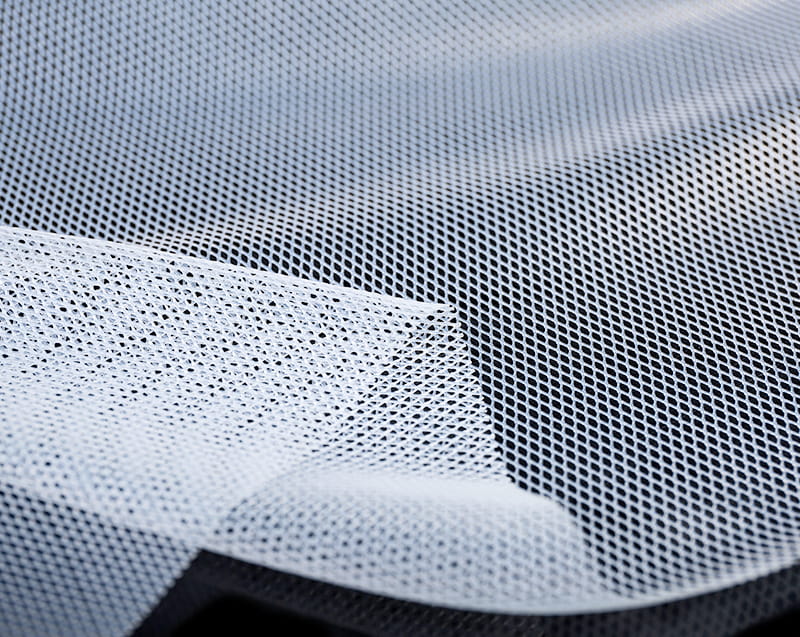
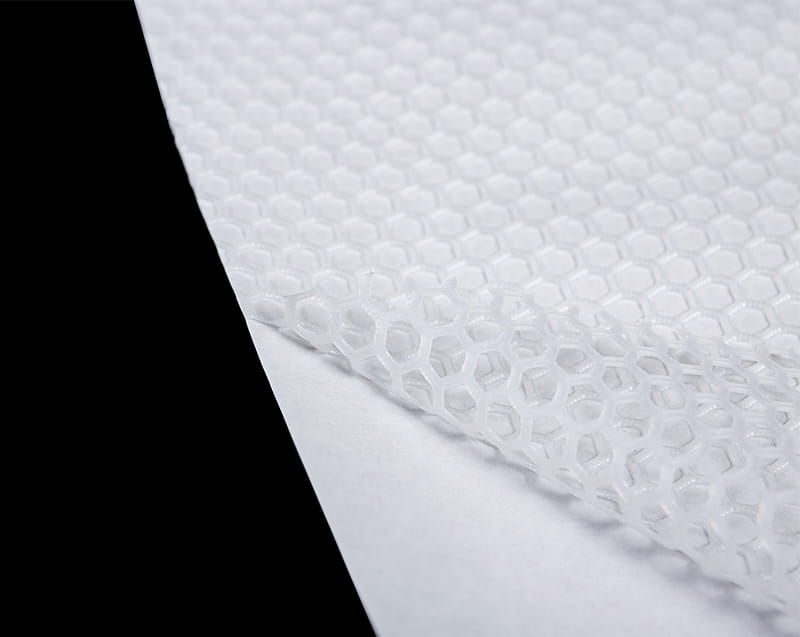
Hot Melt Adhesive Film is a thermoplastic bonding material that becomes adhesive when heated and solidifies when cooled. Unlike liquid adhesives or solvent-based glues, this type of adhesive film is supplied in a solid sheet form, making it easy to store, transport, and apply in manufacturing processes. When heat and pressure are applied, the film melts and forms a strong bond between different materials.
Because of its clean application and reliable bonding performance, hot melt adhesive film is widely used in industries such as textiles, electronics, automotive manufacturing, footwear production, and packaging. Manufacturers prefer this material because it reduces production mess, eliminates solvents, and provides consistent bonding results.
The bonding process of heat activated adhesive film relies on controlled temperature and pressure. When the film is heated above its activation temperature, it softens and flows into the microscopic pores of the surfaces being bonded. Once the temperature drops, the adhesive solidifies again and forms a durable bond.
This bonding mechanism allows hot melt bonding films to create strong adhesion between various materials such as fabrics, plastics, foams, metals, and synthetic leather. Because the process is fast and efficient, it is ideal for automated industrial production lines.
During heat activation, the adhesive film is placed between two materials. Heat is applied using equipment such as a heat press, laminating machine, or hot roller. The adhesive melts and spreads evenly across the contact surfaces, ensuring full coverage and reliable bonding.
Once the bonding process is complete, the assembly is allowed to cool. As the adhesive film returns to its solid state, it forms a permanent bond with excellent mechanical strength and durability.
Different hot melt adhesive films are produced using various polymer materials. Each type offers unique bonding characteristics, temperature resistance, and flexibility.
| Film Type | Material Base | Typical Applications |
| TPU Hot Melt Adhesive Film | Thermoplastic Polyurethane | Textiles, waterproof clothing, outdoor gear |
| PA Hot Melt Adhesive Film | Polyamide | Automotive interiors, metal bonding |
| PES Hot Melt Adhesive Film | Polyester | Fabric lamination and garment production |
| EVA Hot Melt Adhesive Film | Ethylene Vinyl Acetate | Packaging, crafts, and decorative materials |
Choosing the right adhesive film material ensures compatibility with the bonded surfaces and improves overall bonding performance.
Hot melt adhesive films provide several advantages compared with traditional liquid adhesives. These benefits make them a preferred bonding solution for many industrial applications.
These advantages make hot melt bonding film an efficient and reliable choice for manufacturers seeking clean and stable adhesive solutions.
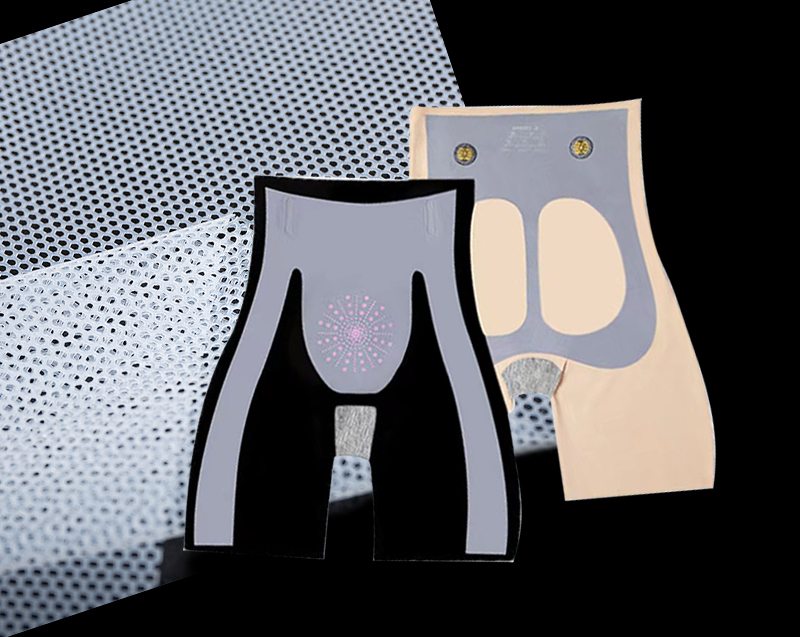
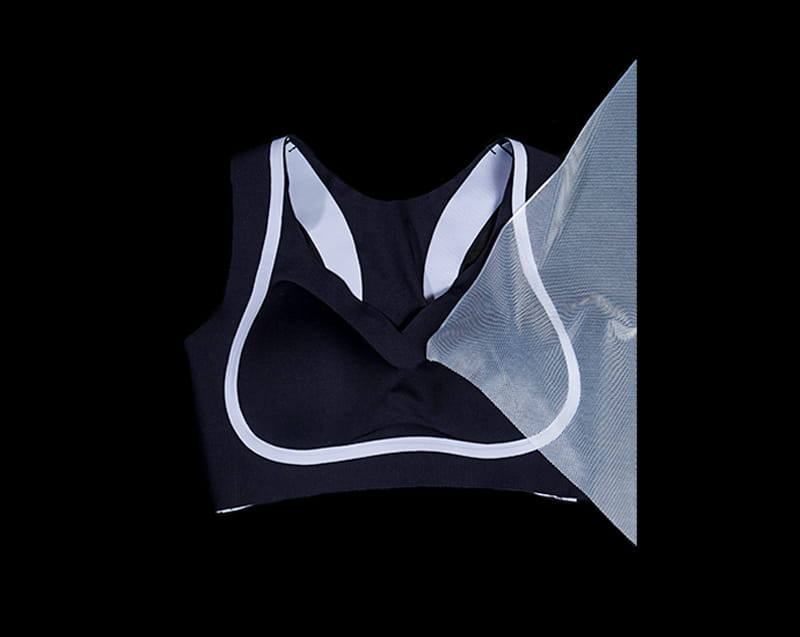
Because of its versatility and strong bonding capability, hot melt adhesive film is widely used in many industries. Its ability to bond different substrates makes it suitable for both lightweight and heavy-duty applications.
These applications demonstrate how heat activated adhesive film helps manufacturers achieve strong and reliable bonds without complicated processing steps.
Selecting the correct hot melt adhesive film depends on several important factors related to the materials being bonded and the production environment.
Evaluating these factors helps manufacturers select a hot melt bonding film that delivers reliable performance and long-term durability in their specific production process.
As industries move toward cleaner and more efficient production methods, hot melt adhesive film has become an increasingly popular bonding solution. Its solvent-free composition supports environmentally friendly manufacturing while maintaining strong adhesion and process efficiency.
With continuous improvements in polymer technology, modern hot melt adhesive films offer better heat resistance, flexibility, and compatibility with various materials. These developments allow manufacturers to replace traditional adhesives with a more reliable and sustainable bonding solution.








 浙公网安备 33048202000557号