
Welcome to Pinghu Zhanpeng Hot Melt Adhesive Web & Film Co., Ltd. Enterprise Official Website.
Hot melt bonding solution provider
+86-573-85032008


Hot Melt Adhesive Film (HMAF) is a sophisticated bonding solution that moves beyond traditional glues, offering precision, consistency, and clean application crucial for modern manufacturing processes. This section delves deeper into the technological aspects and processing methods that make HMAF an industry favorite.
Content
The core functionality of a Hot Melt Adhesive Film lies in its phase change. It is applied as a solid material, requiring heat and pressure to activate.
Activation: The film is heated above its melt temperature, allowing the thermoplastic polymer to transform into a viscous, liquid state.
Wetting: Under slight pressure, the molten adhesive flows quickly, effectively "wetting out" the surfaces of the substrates (the materials being bonded). This maximizes the contact area, which is vital for achieving a strong physical bond.
Solidification: As the temperature drops below the melt point (often facilitated by cooling plates or ambient conditions), the adhesive quickly reverts to a solid state, locking the substrates together. This rapid solidification is known as fast tack and significantly speeds up production cycle times.
The performance of a specific Hot Melt Adhesive Film is highly dependent on its chemical formulation. Manufacturers engineer these films by adjusting the polymer backbone (e.g., Polyurethane, Polyester, Polyamide) and adding crucial modifiers:
Tackifiers: Enhance the initial stickiness (tack) during the cooling phase.
Waxes: Control the viscosity and flow rate when molten.
Stabilizers and Antioxidants: Prevent degradation from heat exposure during processing or long-term UV exposure in the final product.
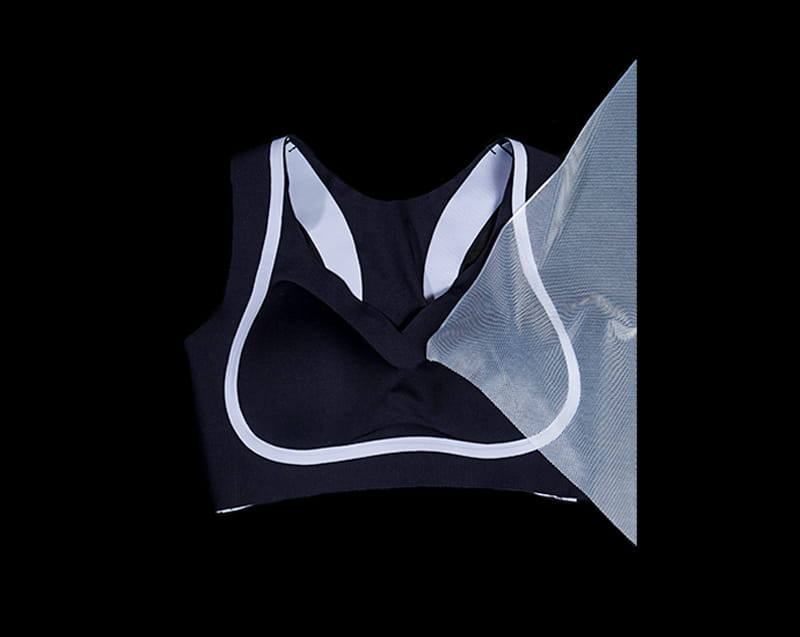
This fine-tuning allows for films specifically designed for extreme washability (textiles), high peel strength (composites), or superior heat resistance (automotive interiors).
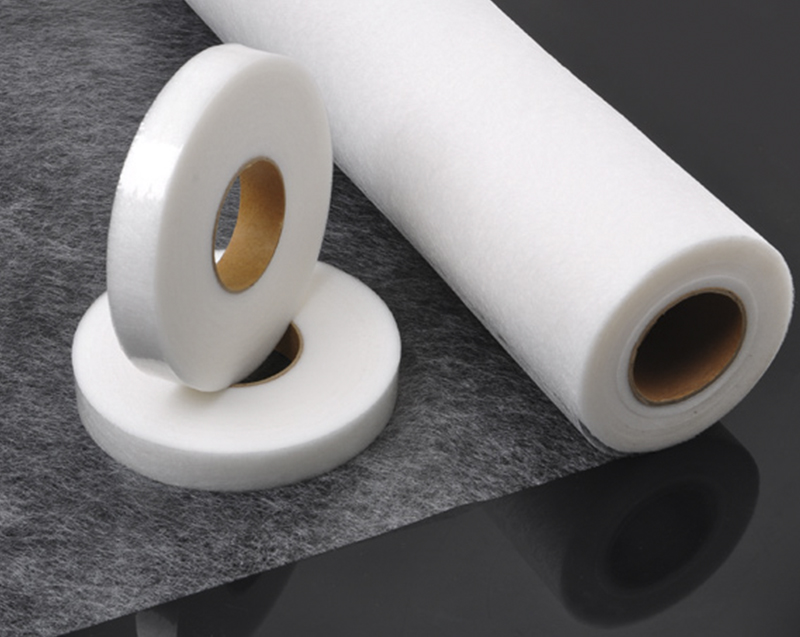
One of the greatest benefits of the Hot Melt Adhesive Film format is its compatibility with highly automated, continuous-flow production lines.
HMAF is primarily used in lamination processes. Key methods include:
Nip Roll Lamination: The film and substrates are fed through heated rollers under controlled pressure. This is ideal for continuous roll-to-roll operations, common in textile and flexible packaging.
Flatbed Pressing: Used for discrete parts or thicker materials, where the assembly is placed into a heated press for a specific time and pressure cycle.
HMAF is available in various forms to suit different needs:
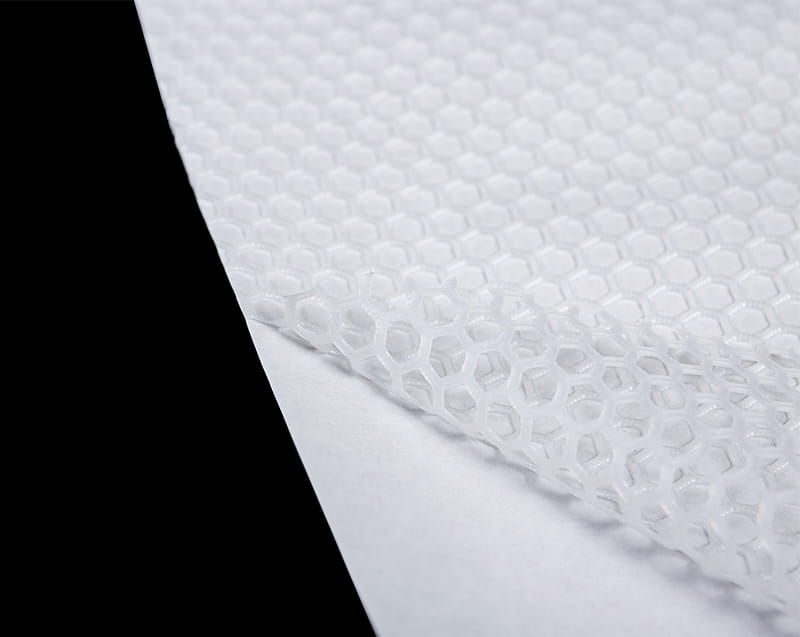
Supported Films: Applied to a release liner (like silicone-coated paper) for easy handling, storage, and die-cutting.
Unsupported Films: Thicker films supplied without a liner, useful when direct lamination is performed without intermediate storage.
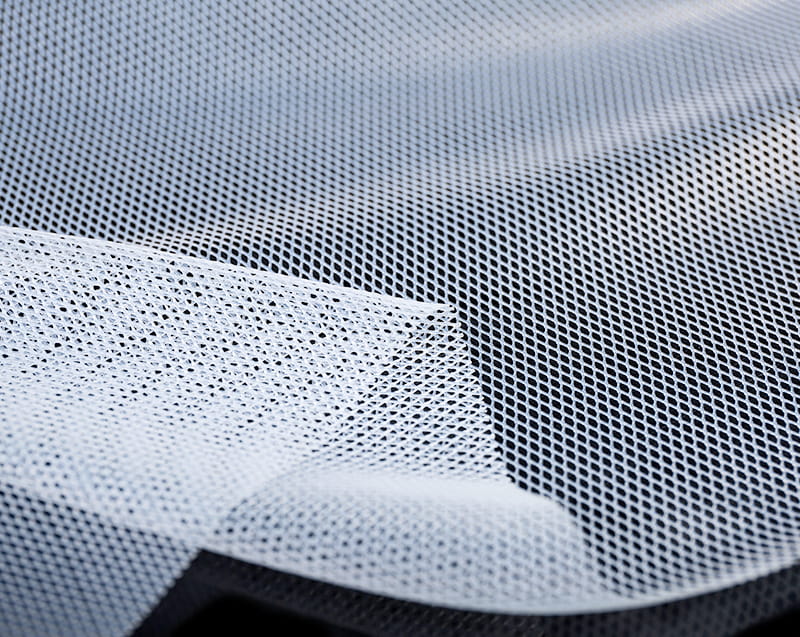
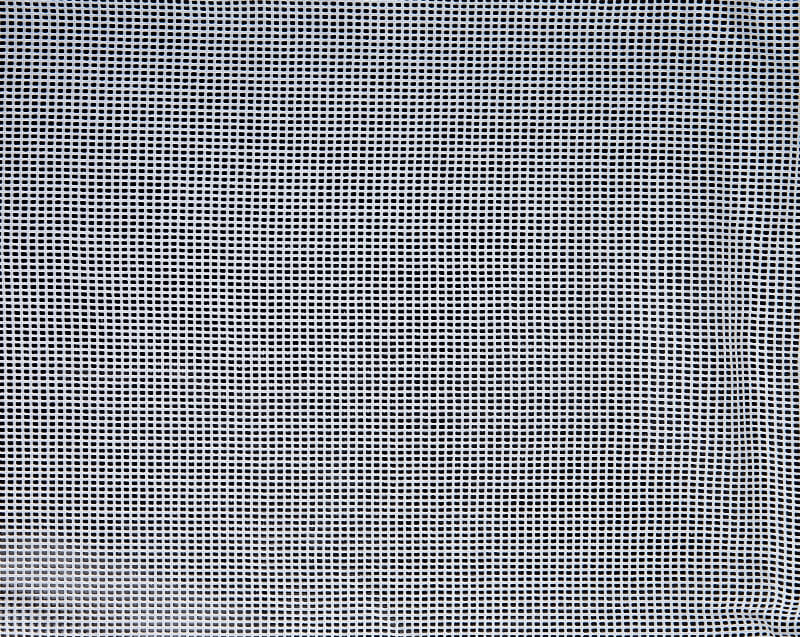
Web Adhesives: A non-woven, net-like format made from HMAF fibers, offering lighter weight and breathability, often used in foam and fabric lamination.
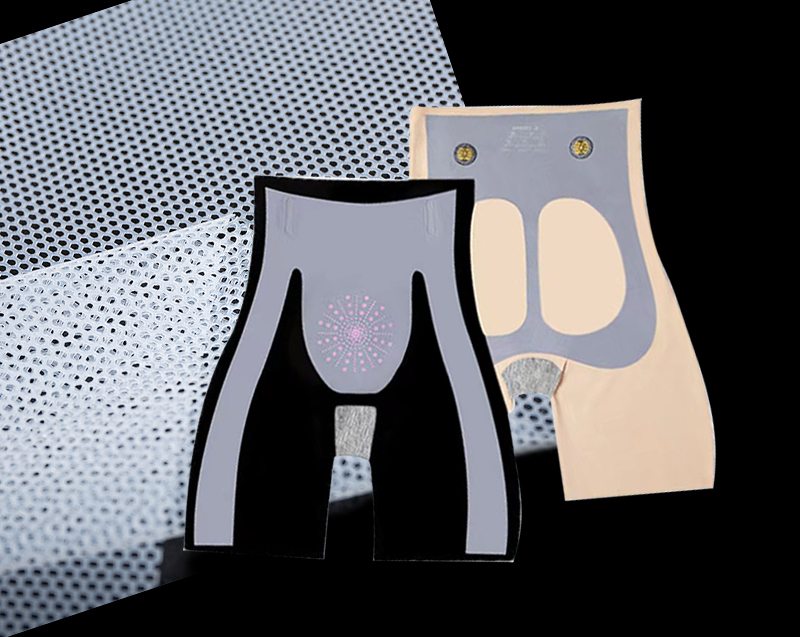
The ability to be die-cut into intricate shapes before activation ensures zero adhesive squeeze-out and a clean, precise edge on the final product, further cementing the Hot Melt Adhesive Film as a benchmark for modern, efficient bonding technology.






 浙公网安备 33048202000557号