
Welcome to Pinghu Zhanpeng Hot Melt Adhesive Web & Film Co., Ltd. Enterprise Official Website.
Hot melt bonding solution provider
+86-573-85032008


Content
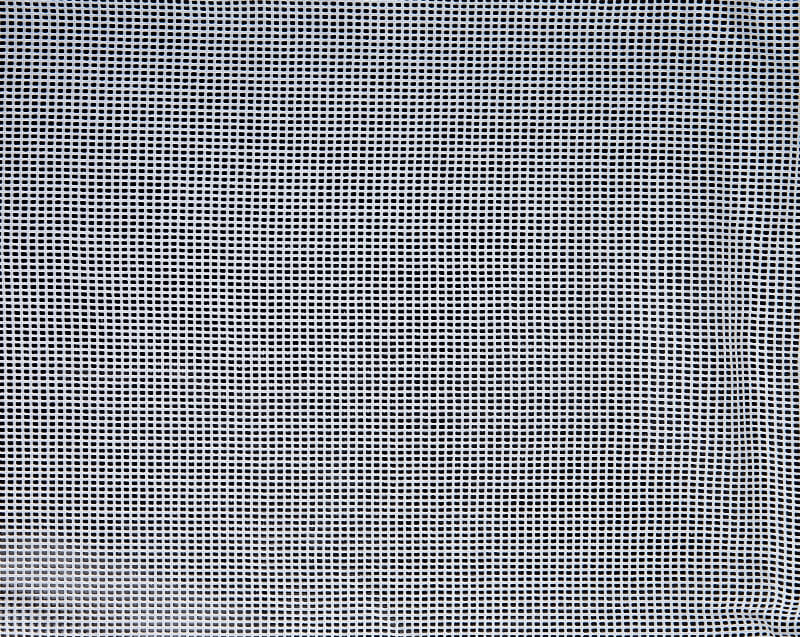
Elastic non-woven fabric looks and feels like a soft cloth, but it's not woven or knitted. Instead, fibers are bonded together by heat, chemicals, or mechanical forces. Then a stretch component is added – typically elastane (spandex) or a special crimped fiber – so the material can stretch and recover. The result is a breathable, lightweight sheet that pulls back to its original shape after you let go. You've likely worn it as a waistband in underwear, a mask earloops, or a cuff on a medical gown. Unlike woven elastic, this fabric doesn't fray and is much cheaper to produce in bulk.
Manufacturers make elastic non-woven fabric using one of two processes. Each creates a different feel and performance level.
In this method, thermoplastic fibers (like polypropylene or polyester) are melted and extruded onto a moving belt. Right before or during extrusion, spandex fibers are blended in. The spandex provides the stretch – typically 20% to 60% elongation. The non-woven part gives softness and breathability. This type is common for diapers and adult incontinence products because it's very affordable and easy to laminate with other layers.
No spandex is used here. Instead, manufacturers use crimped bicomponent fibers that naturally coil like tiny springs. They are bonded under tension, then released. The crimp gives the fabric a “built‑in” stretch. This elastic non-woven fabric is more breathable and feels more like cotton, but it loses stretch faster after repeated washing. You'll find it in one‑use medical caps and disposable shoe covers.
Not all stretch non-woven materials are the same. Here are the main grades you'll encounter when buying or specifying.
Because it's stretchy, cheap, and doesn't fray, this material has replaced traditional elastic in many industries. Here are the most common places you'll find it.
Picking the wrong stretch level or width leads to frustration. Use this practical table as a starting guide.
| Application | Recommended Elongation | Typical Width | Fabric Feel |
| Face mask ear loops | 30‑50% | 3mm – 6mm | Soft, non‑scratchy |
| Underwear waistband | 60‑80% | 10mm – 20mm | Smooth, low friction |
| Adult diaper sides | 80‑120% | 25mm – 50mm | Strong recovery, medium grip |
| Compression sleeve | 150‑200% | 40mm – 100mm | Firm, tight weave |
| Shoe cover cuff | 50‑70% | 20mm – 30mm | Light, airy |
Also check the fabric weight (gsm – grams per square meter). Lightweight (20‑40 gsm) works for masks and linings. Medium weight (50‑80 gsm) is standard for waistbands and cuffs. Heavyweight (90‑150 gsm) gives strong compression and durability but is less breathable.
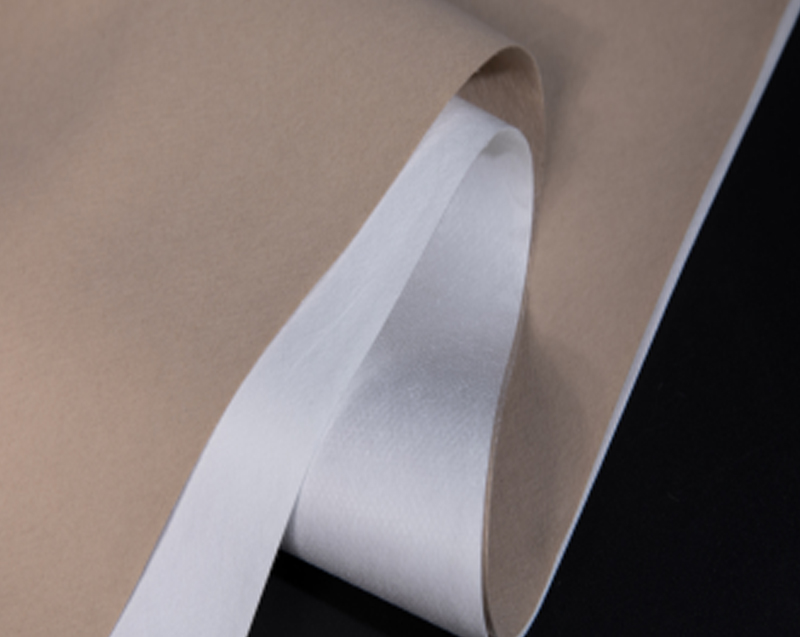
Elastic non-woven fabric handles daily use differently than woven elastic. Here's what you need to know for both disposable and reusable items.
These are designed for single or limited use. The stretch lasts about 8‑12 hours before losing tension. You don't wash them – just toss. Heat and UV light will degrade the spandex over time, so store rolls away from sunlight and radiators. Shelf life is typically two years.
If the product says “machine washable”, use cold water and air dry. High heat (above 60°C / 140°F) damages the elastic fibers. Fabric softeners also break down spandex. After 20‑30 washes, expect the stretch to drop by about 20‑30%. That's still usable for most waistbands. For longer life, buy elastic non-woven fabric that uses heat‑resistant elastane (often labeled “high‑temp” or “industrial grade”).
Still wondering if you should switch? Here's an honest side‑by‑side comparison.
| Feature | Elastic Non-Woven Fabric | Woven Elastic (Polyester/Spandex) |
| Fraying | None – cut edges stay clean | Frays badly – needs hemming or sealing |
| Breathability | High – very airy | Low to medium – dense weave |
| Stretch recovery after washing | Good (drops slowly) | Excellent (lasts hundreds of washes) |
| Cost per yard | Low ($0.10 – $0.50) | Medium to high ($0.50 – $2.00) |
| Softness against skin | Very soft (like cotton batting) | Can be scratchy (depends on weave) |
| Best use case | Disposable or short‑life products, light garments | Long‑life clothing, heavy‑duty straps |
For most home sewers and small business owners, elastic non-woven fabric is a great replacement for lightweight woven elastic – especially for masks, kids' clothes, and charity projects. For high‑end activewear or swimwear, stick with traditional woven elastic.
Even good elastic non-woven fabric can act up. Here's how to solve typical issues.
With these tips, you'll get professional results whether you're running a factory line or just sewing at the kitchen table.






 浙公网安备 33048202000557号