
Welcome to Pinghu Zhanpeng Hot Melt Adhesive Web & Film Co., Ltd. Enterprise Official Website.
Hot melt bonding solution provider
+86-573-85032008


Content
Elastic non-woven fabric is a smart hybrid material that brings stretch and recovery to the versatile world of non-wovens. Unlike traditional woven elastic fabrics that rely on interlaced yarns, this material is made by bonding fibers together—often using spunbond, meltblown, or thermal processes—while incorporating elastic components like spandex filaments, elastic PP, or rubber threads. The result is a fabric that stretches when you need it to, then snaps back to shape without losing integrity. This unique combination makes elastic non-woven fabric ideal for applications where comfort, fit, and breathability matter, from medical gowns to baby diapers to activewear linings.
When you compare elastic non-woven material to conventional stretch fabrics or rigid non-wovens, several practical advantages stand out. First, it's lightweight yet durable—perfect for single-use medical products or reusable apparel that needs to move with the body. Second, the non-woven structure allows for excellent air permeability and moisture management, while the elastic component ensures a snug, comfortable fit. Third, manufacturing is efficient: elastic non-woven textiles can be produced in wide rolls with consistent properties, reducing waste and cutting costs. For designers and engineers asking why use elastic non-woven fabric, the answer is simple: it delivers performance, comfort, and value in one versatile material.
One of the biggest wins of stretchable non-woven fabric is how it enhances wearer comfort. Whether it's the leg cuffs on a diaper, the waistband of a disposable medical gown, or the side panels of a protective coverall, elastic non-woven material conforms to body shapes without binding or restricting movement. This flexibility reduces pressure points and skin irritation, which is especially important for sensitive users like infants, elderly patients, or healthcare workers wearing PPE for long shifts. When comfort and function need to work together, elastic non-woven fabric delivers.
Elastic non-woven fabric isn't just a niche material—it's quietly powering comfort and performance across many everyday products. From healthcare to hygiene to fashion, its versatility makes it a go-to choice for manufacturers who need reliable stretch without the complexity of woven elastics. Below are some of the most popular uses where flexible non-woven textile really makes a difference.
| Application Area | Product Examples | Key Benefit |
| Medical & Healthcare | Surgical gowns, isolation suits, wound dressings | Secure fit + breathability for long-wear comfort |
| Hygiene Products | Baby diapers, adult incontinence pads, feminine care | Leak-proof seals that move with the body |
| Protective Apparel | Coveralls, shoe covers, hair nets | Easy donning/doffing with secure elastic edges |
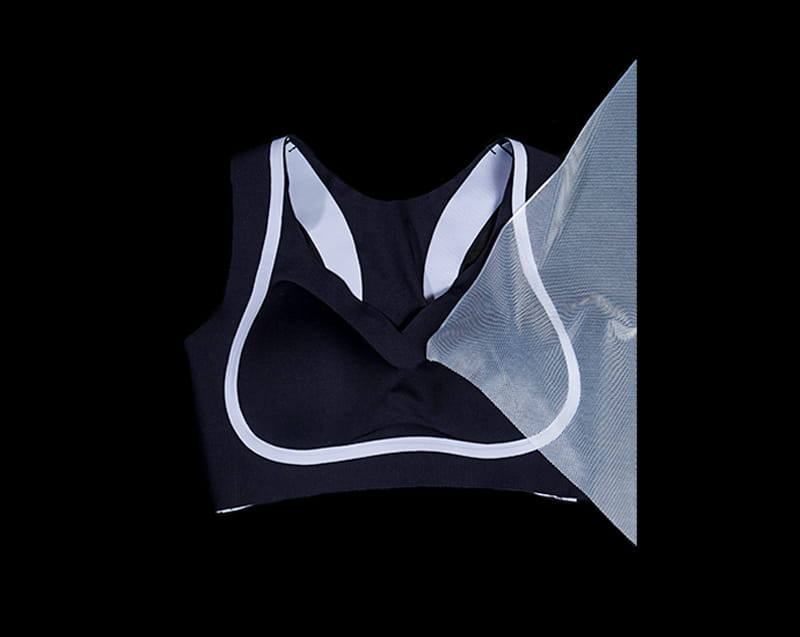
| Apparel & Fashion | Lining fabrics, interlinings, activewear layers | Lightweight stretch without bulk or sewing complexity |
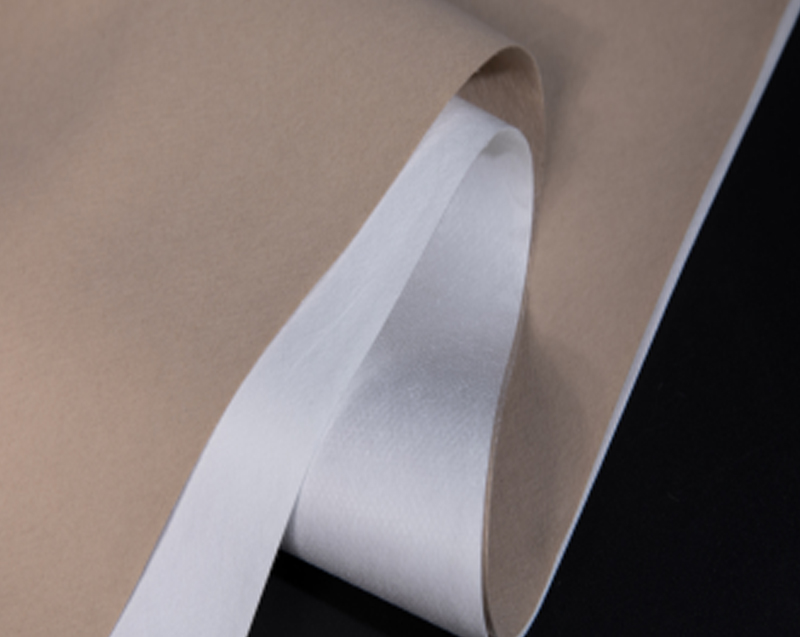
Not all elastic non-woven fabrics are the same. The right choice depends on your project's needs for stretch ratio, softness, strength, and cost. Understanding the main types helps you specify the best material for your application.
| Type | How It's Made | Ideal For |
| Elastic Spunbond | PP fibers + elastic filaments spun and bonded | Hygiene product cuffs, lightweight apparel |
| SMS with Elastic | Spunbond-Meltblown-Spunbond layers + elastic core | Medical gowns needing barrier + stretch |
| Thermal-Bonded Elastic | Heat-bonded fibers with elastic threads | Soft-touch applications like facial masks |
| Laminated Elastic Non-Woven | Non-woven + elastic film or mesh laminated | High-recovery zones like waistbands |
Choosing the best elastic non-woven fabric starts with defining your performance needs. Ask yourself: How much stretch is required (e.g., 30% vs. 100% elongation)? What's the target weight (GSM) for durability versus softness? Does the end use need fluid resistance, breathability, or skin-contact safety certifications? Work with suppliers who can provide samples and test data on tensile strength, elastic recovery, and abrasion resistance. For medical or hygiene applications, ensure the material meets relevant standards like ISO 13485 or OEKO-TEX. Taking time to match the elastic non-woven material to your specific requirements prevents costly mismatches and ensures a better end product.
Even the best elastic non-woven fabric needs proper handling to maintain its performance. For reusable items, avoid high-heat washing or drying, which can degrade elastic fibers over time. Store rolls in a cool, dry place away from direct sunlight to prevent premature aging of the elastic component. When cutting or sewing, use sharp blades and needles to prevent fraying, and test stitch tension to avoid puckering the stretchy material. For single-use medical or hygiene products, follow manufacturer guidelines for storage temperature and shelf life. With simple care practices, your elastic non-woven textile products will deliver consistent comfort and reliability from first use to last.






 浙公网安备 33048202000557号