
Welcome to Pinghu Zhanpeng Hot Melt Adhesive Web & Film Co., Ltd. Enterprise Official Website.
Hot melt bonding solution provider
+86-573-85032008


Content
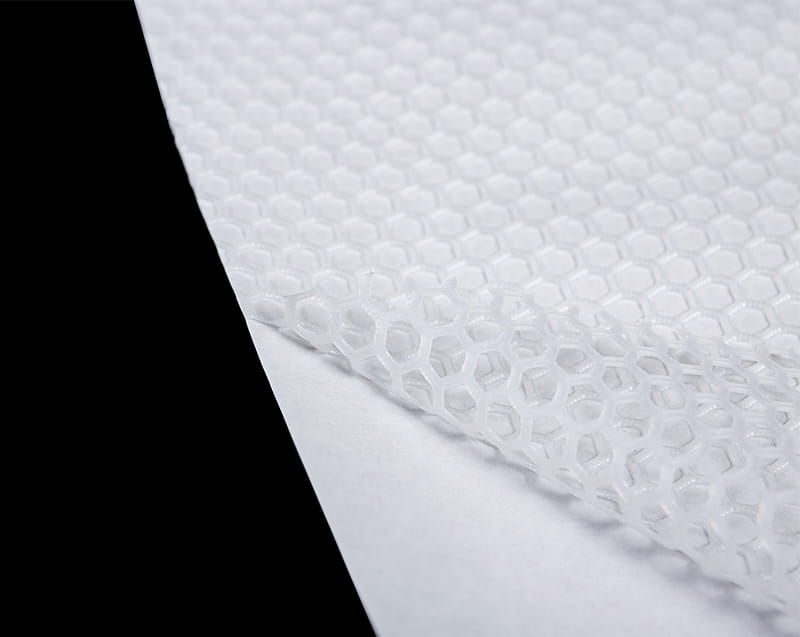
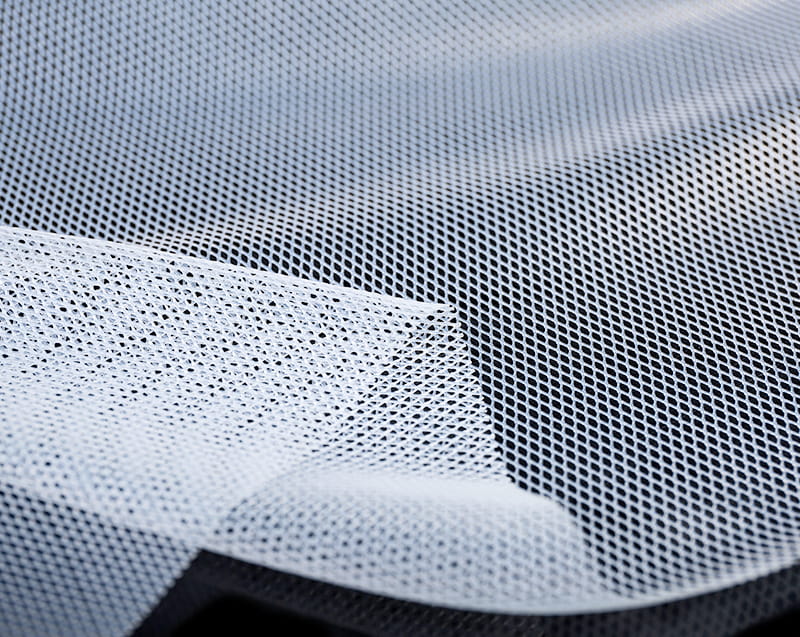
HDPE apertured film is a thin, strong sheet of high-density polyethylene that has been precisely perforated with a pattern of tiny holes or openings. This isn't just regular plastic wrap with random punctures—the apertures are engineered using mechanical needles, thermal processes, or specialized embossing techniques to create consistent size, shape, and spacing. The result is a material that combines HDPE's natural toughness and chemical resistance with controlled breathability, making it ideal for applications where fluids need to pass through while the surface stays dry and comfortable. Unlike non-woven fabrics that rely on fiber bonding, apertured film delivers uniform performance across every square inch, which matters a lot when you are designing products like disposable diapers, medical dressings, or precision filtration cartridges.
When engineers and product designers evaluate materials, HDPE apertured film checks several critical boxes at once. Its high-density polyethylene base gives it excellent tensile strength and resistance to tearing or puncturing during high-speed manufacturing runs.The apertured structure adds breathability without sacrificing barrier performance against liquids or contaminants. Because HDPE has low moisture absorption and strong chemical resistance, the film holds up well against bodily fluids, cleaning agents, or agricultural chemicals depending on the end use. It is also lightweight, which helps reduce shipping costs and material waste in final products. Plus, HDPE is fully recyclable in mono-material constructions, supporting sustainability goals without compromising performance.
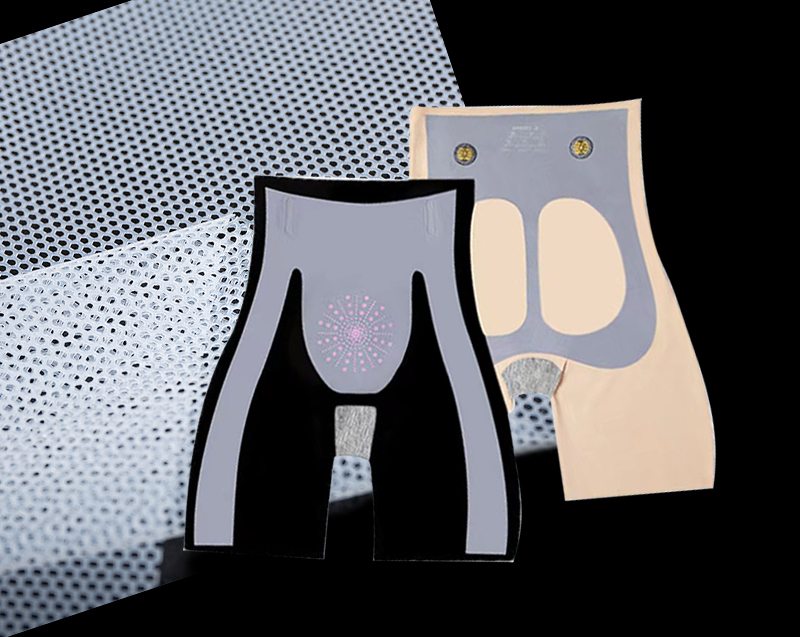
This versatile material solves real-world problems across multiple industries. In hygiene products, HDPE apertured film serves as a topsheet layer in disposable diapers, feminine care pads, and adult incontinence products. The precisely sized apertures allow liquid to pass through quickly into the absorbent core while keeping the surface dry against skin, reducing irritation and improving comfort. In medical settings, the film is used in wound dressings and surgical drapes where breathability helps manage moisture while maintaining a sterile barrier. For filtration systems, apertured film acts as pleat support or permeate carrier in cartridge filters, promoting even turbulent flow through tight pleat packs and improving overall filter efficiency. Agricultural applications include mulch films and crop protection covers that regulate temperature and moisture while allowing gas exchange. Even breathable packaging for fresh produce benefits from the film's ability to let ethylene and moisture escape, extending shelf life without condensation buildup.
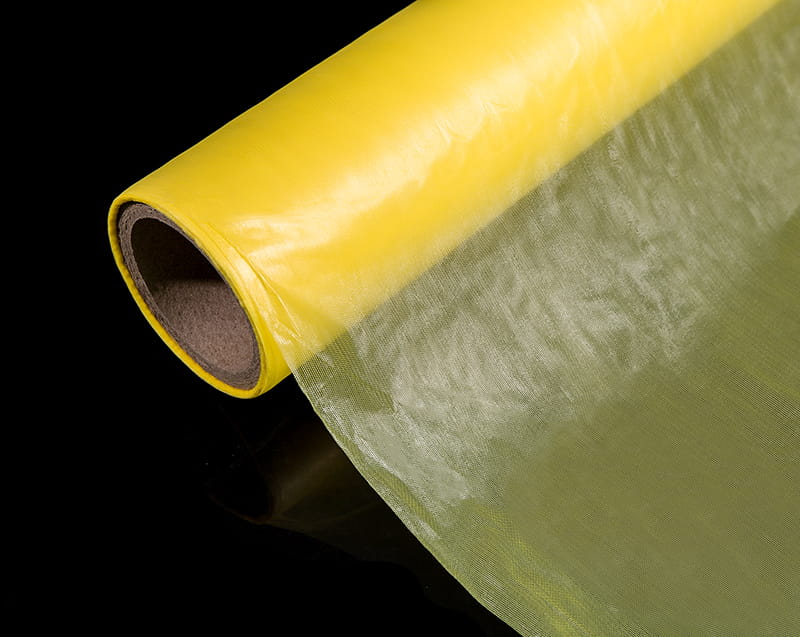
The production process starts with melting HDPE resin and extruding it through a flat die to form a thin, uniform film. Next comes the critical aperture-creation step: manufacturers can use mechanical perforation with precision needles or blades, or thermal methods that apply controlled heat and air pressure to form clean, consistent openings. Advanced lines combine extrusion, embossing, and orientation processes to create lightweight mesh-like structures with hexagonal or square patterns that enhance structural integrity. After perforation, the film is cooled, set to final dimensions, and wound onto large rolls for conversion. Modern equipment allows tight control over aperture size, distribution, and edge quality, ensuring batch-to-batch consistency that manufacturers rely on for high-speed assembly lines. Quality checks include tensile testing, aperture measurement via microscopy, and permeability validation to confirm the film meets specified performance targets.
Selecting the optimal film starts with defining your functional requirements. If you are designing a hygiene product topsheet, prioritize aperture size and pattern that balance rapid fluid acquisition with a dry-touch feel. For filtration support, focus on tensile strength, chemical compatibility with your process fluids, and pore geometry that promotes even flow without media migration. Consider the manufacturing environment too: will the film need to withstand high-speed laminating, ultrasonic bonding, or heat sealing? Confirm that your supplier offers compatible resin formulations and surface treatments. Don't overlook regulatory needs—medical and food-contact applications require films certified to FDA, USP Class VI, or ISO 10993 standards. Finally, evaluate sustainability goals: HDPE apertured film can support recyclable mono-material constructions, and some suppliers offer post-consumer recycled content options without sacrificing performance. Working closely with an experienced film converter early in the design phase helps avoid costly reformulations later.
| Material Type | Best For | Key Advantage | Limitation |
| HDPE Apertured Film | Hygiene topsheets, filtration support, breathable packaging | Uniform aperture control + chemical resistance | Less soft hand-feel than non-wovens |
| Non-Woven Fabric | Soft-touch hygiene layers, wipes, medical gowns | Excellent softness and absorbency | Variable pore size, lower tensile strength |
| Standard HDPE Film | Moisture barriers, packaging liners, protective covers | Superior moisture barrier, low cost | No breathability without modification |
| PP Apertured Film | High-temp applications, sterilizable medical products | Higher heat resistance than HDPE | Slightly lower chemical resistance |







 浙公网安备 33048202000557号