
Welcome to Pinghu Zhanpeng Hot Melt Adhesive Web & Film Co., Ltd. Enterprise Official Website.
Hot melt bonding solution provider
+86-573-85032008


HDPE film is one of the most commonly used plastic films today, thanks to its strength, durability, and versatility. From packaging and agriculture to industrial uses, HDPE (High-Density Polyethylene) film provides a cost-effective solution for a wide range of applications. In this article, we'll break down the types, benefits, and practical uses of HDPE film in an easy-to-understand way.
Content
HDPE film is made from high-density polyethylene resin, which gives it a tight molecular structure. This structure makes the film stronger, more durable, and resistant to chemicals and moisture compared to other types of plastic films. It's often used for bags, liners, wraps, and protective coverings in both commercial and industrial settings.
HDPE film comes in several types depending on the manufacturing process and application needs. Understanding these types can help businesses choose the right film for their projects.
Blown HDPE film is produced by inflating molten polyethylene into a thin tube. This method creates a film with excellent strength, clarity, and uniformity. It's commonly used for packaging, agricultural mulch, and protective coverings.
Cast HDPE film is made by extruding the molten polymer onto a chilled roller, producing a smooth, glossy surface. This film type is ideal for applications that require high clarity, like printing and laminating.
HDPE film is extremely versatile and can be found in many industries. Here are some of the most common uses:
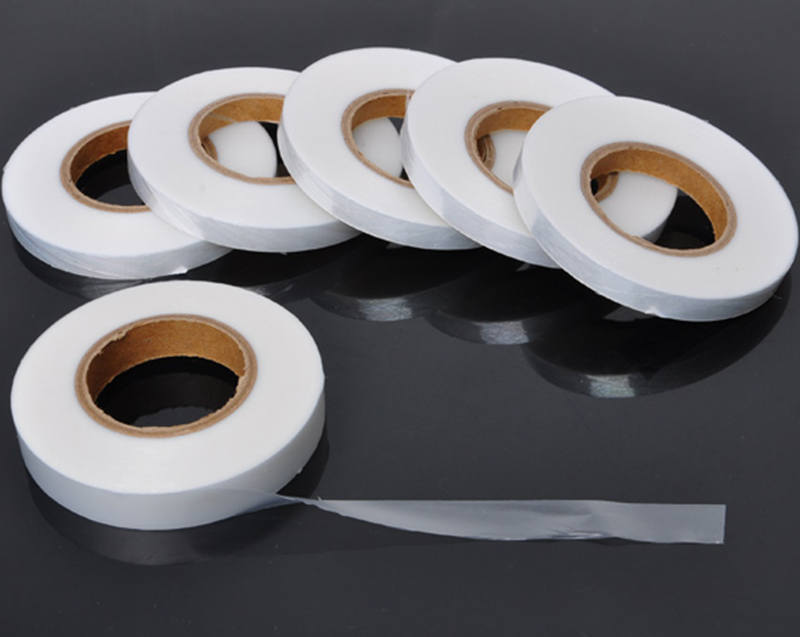
Using HDPE film offers several benefits over other types of plastic films. Its combination of strength, flexibility, and chemical resistance makes it a reliable choice for many industries.
| Feature | Benefit |
| High Strength | Resists tearing and punctures, ideal for heavy-duty applications |
| Moisture Resistance | Protects products from water and damp environments |
| Chemical Resistance | Safe for use with a variety of industrial chemicals |
| Recyclable | Environmentally friendly and supports sustainability initiatives |
Selecting the right HDPE film depends on your specific needs. Here are some practical tips:
In summary, HDPE film is a versatile, durable, and eco-friendly solution for a wide range of applications. Understanding its properties, types, and practical uses can help businesses and individuals make informed decisions and maximize the benefits of this reliable material.







 浙公网安备 33048202000557号