
Welcome to Pinghu Zhanpeng Hot Melt Adhesive Web & Film Co., Ltd. Enterprise Official Website.
Hot melt bonding solution provider
+86-573-85032008


Content
Hot Melt Adhesive Net Without Paper is a highly practical bonding material widely used in textiles, automotive interiors, electronics, and composite materials. Unlike traditional adhesive films with release liners, this product comes without backing paper, making it cleaner, more efficient, and easier to process in many industrial applications. This article explains what it is, how it works, and how to choose the right type for your needs.
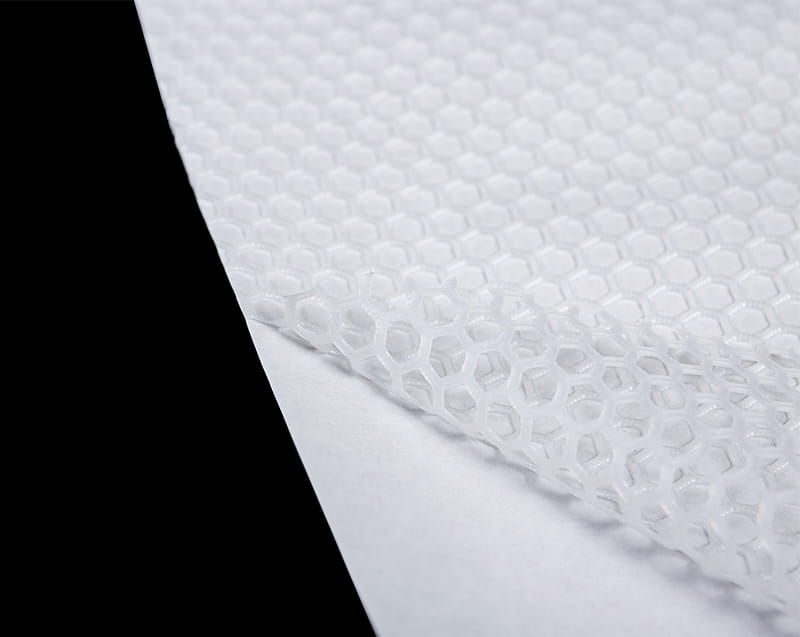
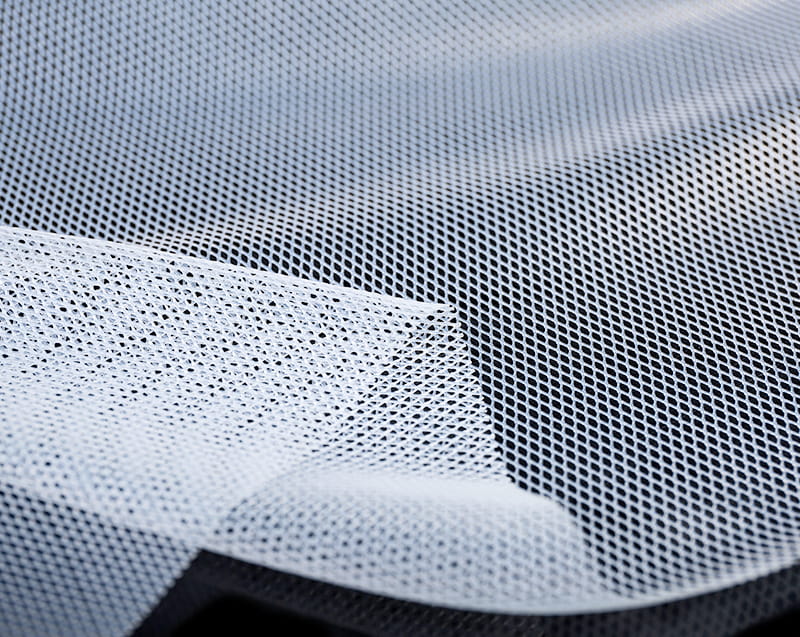
Hot melt adhesive net without paper is a mesh-like thermoplastic adhesive structure that becomes tacky and bonds materials together when heated. Because it does not include a release liner, it reduces waste and improves production efficiency. The net structure allows for better breathability and flexibility compared to solid adhesive films.
It is commonly made from materials such as polyamide (PA), polyester (PES), ethylene-vinyl acetate (EVA), or thermoplastic polyurethane (TPU), each offering different melting points and bonding characteristics.
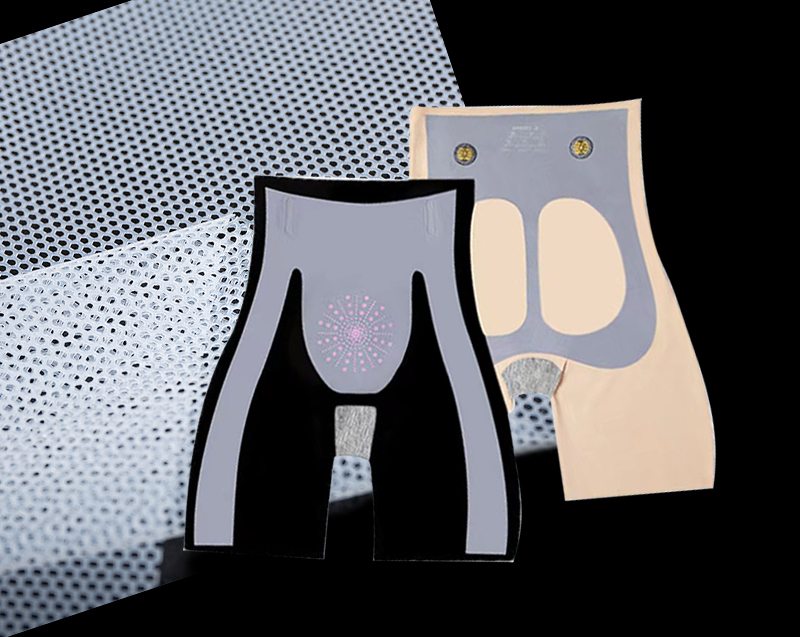
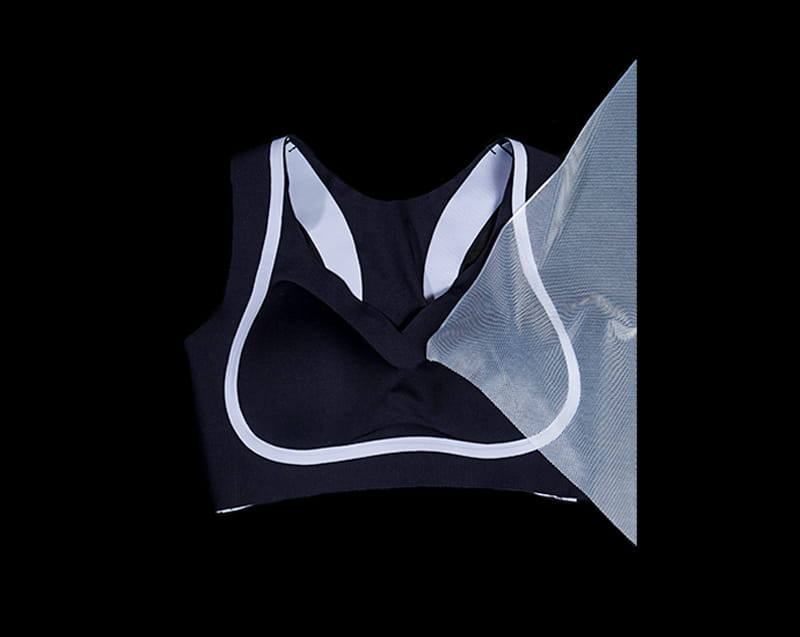
In apparel manufacturing, hot melt adhesive net without paper is used for bonding fabrics, interlinings, and decorative elements. Its breathable structure ensures comfort, making it ideal for sportswear and underwear.
This adhesive net is widely used in car interiors for laminating foam, fabric, and leather components such as seats, door panels, and headliners. It provides strong adhesion while maintaining flexibility.
In electronics, it is used for bonding insulation materials, protective layers, and components that require precise adhesive application without residue from release liners.
The adhesive net helps bond different layers of shoes and leather products, ensuring durability and clean finishes without visible glue marks.
| Material | Melting Point | Key Features | Best Applications |
| PA (Polyamide) | High | Strong adhesion, heat resistance | Automotive, industrial |
| PES (Polyester) | Medium | Balanced performance | Textiles, laminates |
| EVA | Low | Soft, flexible, cost-effective | Foam bonding, packaging |
| TPU | Medium | Elastic, durable | Sportswear, footwear |
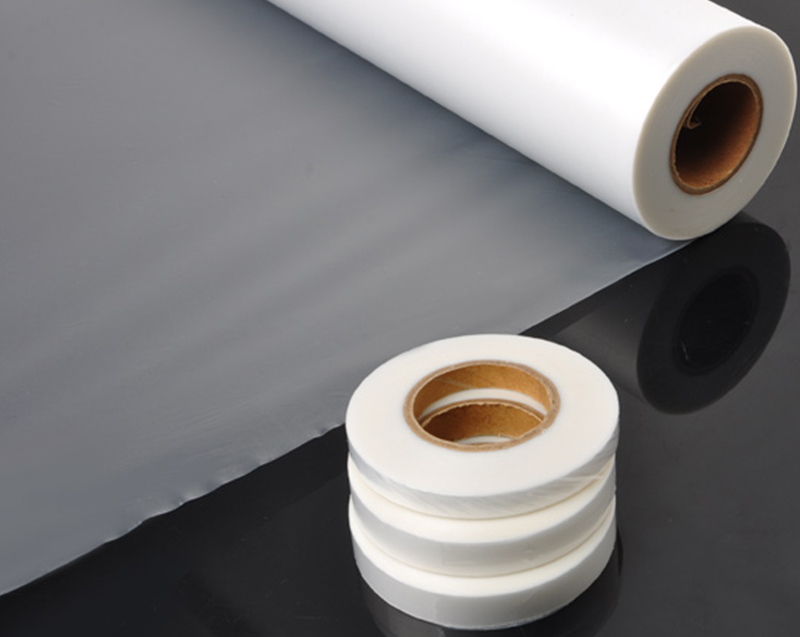
Using hot melt adhesive net without paper typically involves heat and pressure. The general process is simple but requires attention to temperature and timing.
Choose a product with a melting point suitable for your materials. Low-temperature options are better for delicate fabrics, while high-temperature adhesives are ideal for industrial use.
Different applications require different levels of adhesion. Automotive and industrial uses demand stronger bonding than garment applications.
The thickness of the adhesive net affects both bonding strength and flexibility. Thicker nets provide stronger adhesion but may reduce softness.
Ensure the adhesive net is compatible with your production equipment, such as laminating machines or heat presses, to achieve consistent results.
Hot Melt Adhesive Net Without Paper is a versatile and efficient bonding solution that offers significant advantages over traditional adhesive films. Its liner-free design, breathability, and flexibility make it suitable for a wide range of industries. By understanding its material types, application methods, and selection criteria, you can maximize performance and achieve reliable bonding results in your projects.







 浙公网安备 33048202000557号