Hot Melt Adhesive Web: A Revolution in Laminating and Bonding

Date:2025-08-26
Abstrac:

In the world of advanced materials and manufacturing, the quest for efficient, clean, and reliable bonding solutions is relentless. Among the most innovative answers to this challenge is the hot melt adhesive web. This versatile material, a non-woven, spiderweb-like network of thermoplastic fibers, has emerged as a game-changer for industries requiring precise, uniform, and solvent-free lamination.

What is a Hot Melt Adhesive Web?

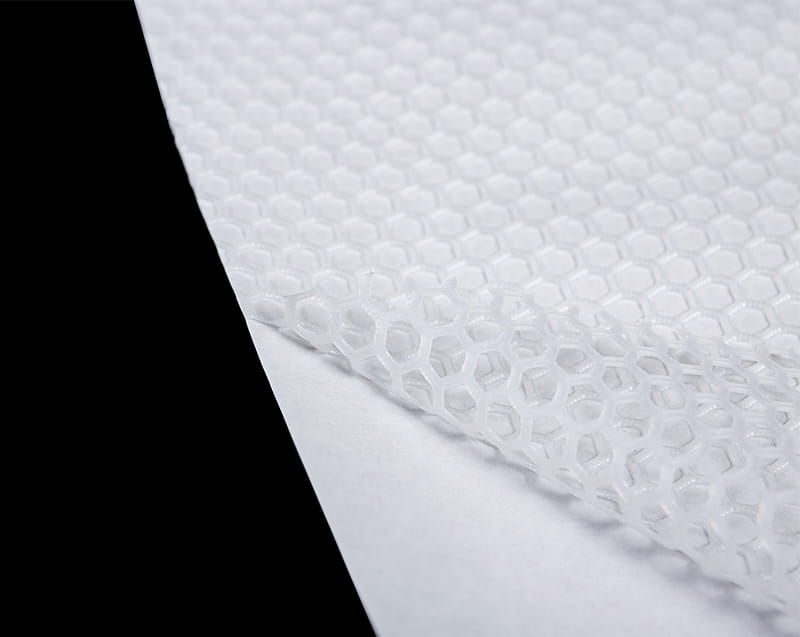
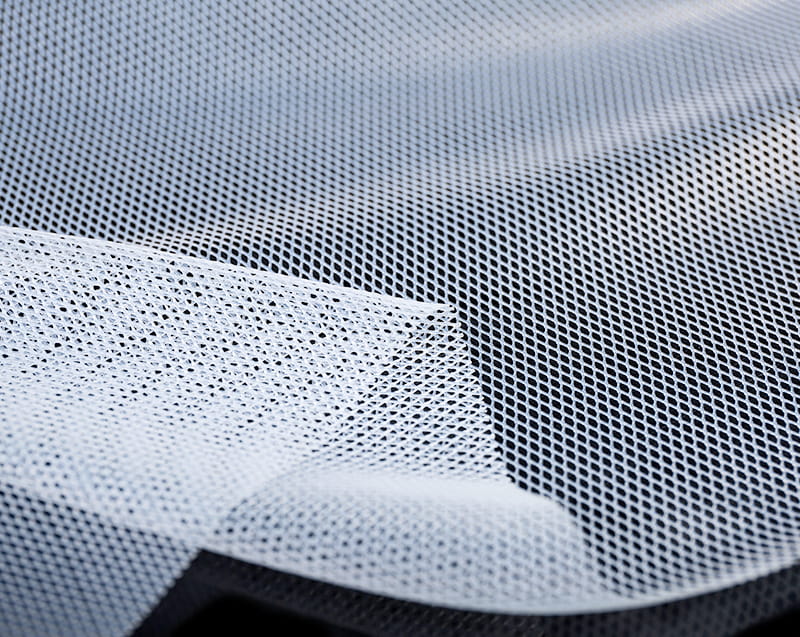
Unlike traditional liquid adhesives or even hot melt films, a hot melt adhesive web is a unique product formed by extruding fine thermoplastic filaments into a randomized, non-woven structure. This fibrous web, which looks similar to a thin, fibrous mat, is solid at room temperature and non-tacky. When heat is applied, the individual fibers melt and flow, wetting the surfaces to be bonded. As the temperature drops, the melted adhesive quickly solidifies, creating a strong, yet often flexible, bond.

Key Advantages of Hot Melt Adhesive Web

The specific structure of the hot melt adhesive web gives it several distinct advantages over other bonding methods:
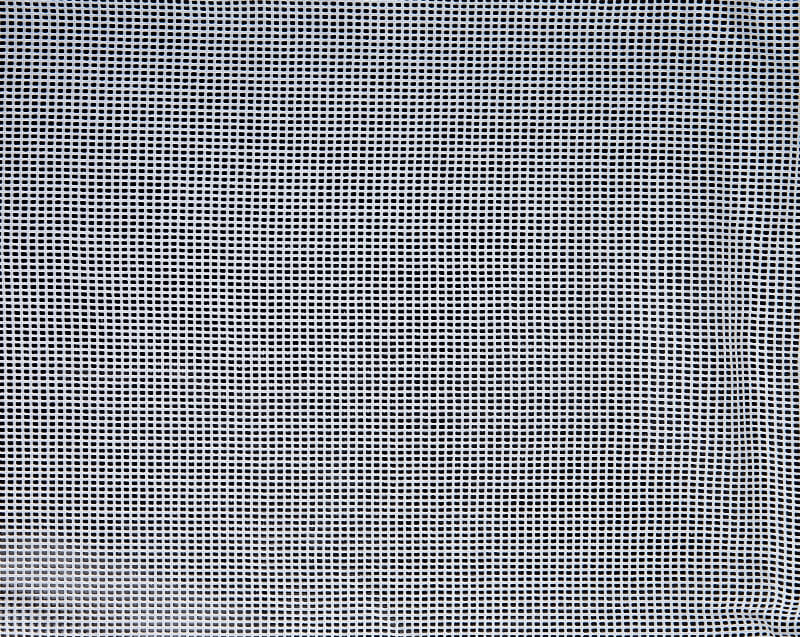
  • Breathability and Porosity: Its fibrous, open structure allows air, moisture, and sound to pass through. This is crucial for applications like breathable waterproof fabrics, sound-dampening car interiors, and medical textiles.
  • Uniformity and Weight Control: The web’s non-woven design ensures an incredibly even distribution of adhesive. This leads to a consistent bond line and allows for precise control over the amount of adhesive used, minimizing waste and material cost.
  • Soft Hand Feel: In textile and apparel applications, the web’s soft, fibrous nature prevents the stiff, board-like feel often associated with laminated fabrics. The resulting product maintains its natural drape and flexibility.
  • Environmental and Safety Benefits: Like other hot melt adhesives, the hot melt adhesive web is 100% solid and contains no solvents or VOCs (Volatile Organic Compounds), making it a safe and eco-friendly choice for both manufacturing and end products.
  • Processing Efficiency: The web form allows for continuous lamination processes, significantly increasing production speed and efficiency. It can be easily rolled and unrolled for automated machinery.

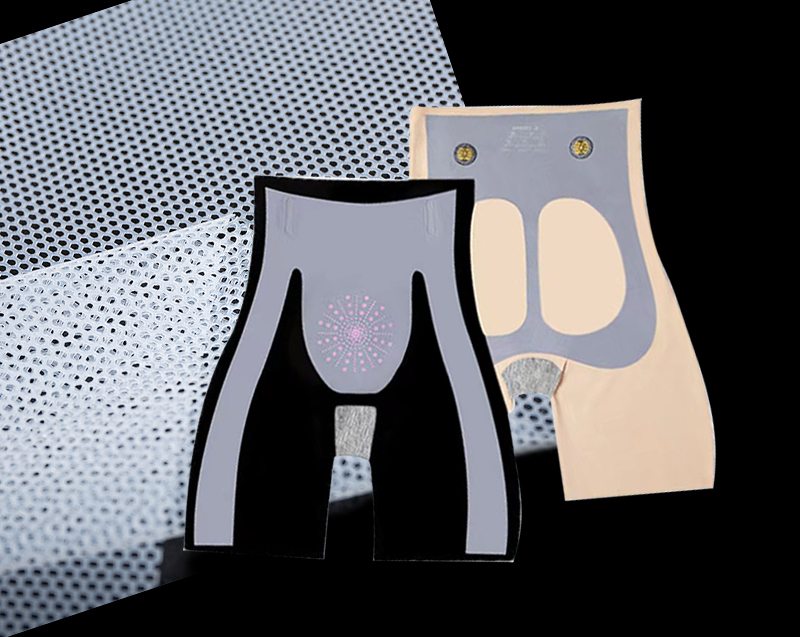
Hot Melt Functional Elastic Reticular Film Sheet

Common Materials and Applications

The performance characteristics of a hot melt adhesive web are determined by the polymer used in its construction. Some of the most common materials and their applications include:

  • Polyester (PES): A very common type of hot melt adhesive web used extensively in the textile industry for bonding interlinings, embroidery patches, and decorative fabrics. It offers good strength and durability.
  • Polyamide (PA): Known for its high-temperature resistance and strong adhesion to a variety of substrates, including some engineering plastics. It finds use in automotive interiors and industrial filtration systems.
  • Polyolefin (PO): These webs are cost-effective and have excellent moisture resistance, making them ideal for applications like disposable diapers, hygiene products, and construction materials.
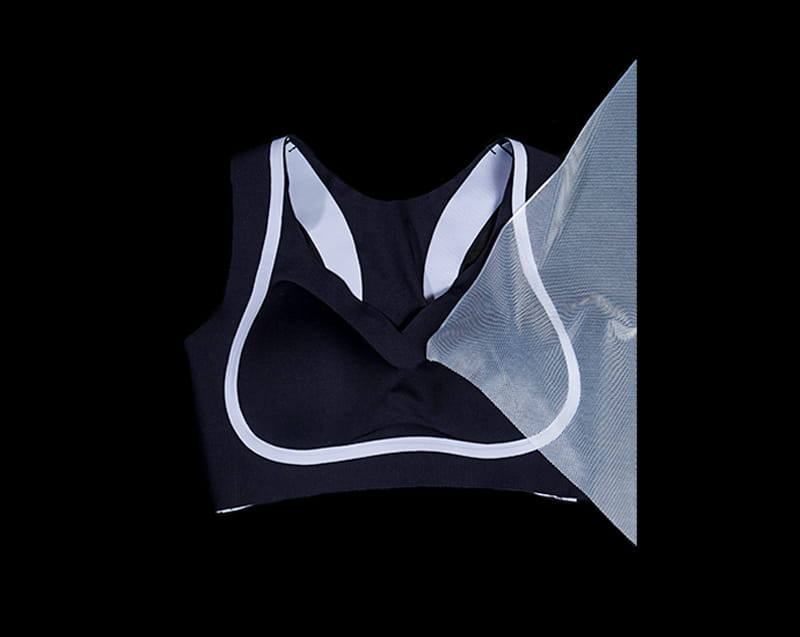
  • Thermoplastic Polyurethane (TPU): This type of hot melt adhesive web is highly prized for its elasticity, excellent wash resistance, and soft feel, making it a perfect choice for high-performance sportswear, seamless garments, and waterproof apparel.

The Future of Hot Melt Adhesive Web

The hot melt adhesive web has already revolutionized industries from textiles and automotive to medical and electronics. As manufacturers continue to demand more efficient, sustainable, and high-performance bonding solutions, the use of this innovative material is set to expand. Its unique combination of porosity, uniform application, and environmental friendliness makes it an ideal candidate for future developments in smart textiles, composites, and lightweight structural components.

Ultimately, the hot melt adhesive web is more than just a bonding agent; it’s a foundational component that enables the creation of a new generation of sophisticated, durable, and comfortable products.