
Welcome to Pinghu Zhanpeng Hot Melt Adhesive Web & Film Co., Ltd. Enterprise Official Website.
Hot melt bonding solution provider
+86-573-85032008


Content
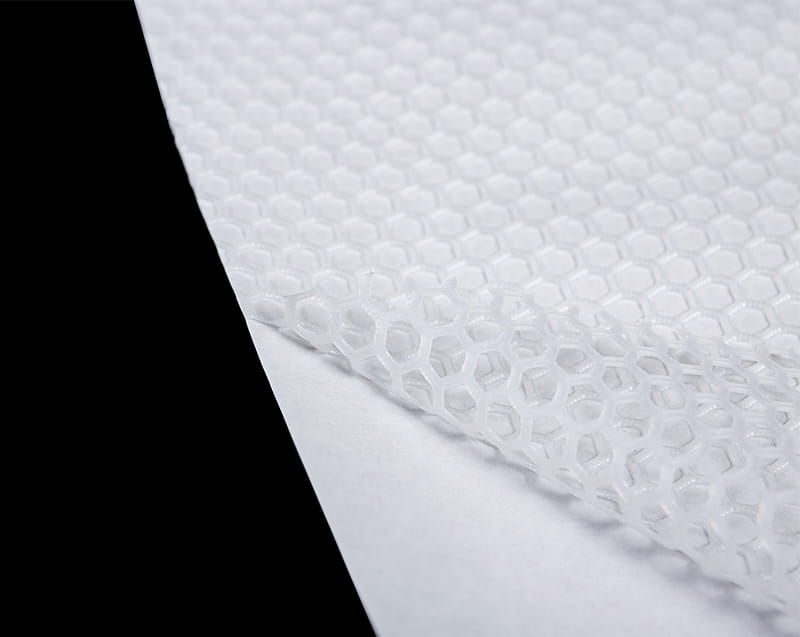
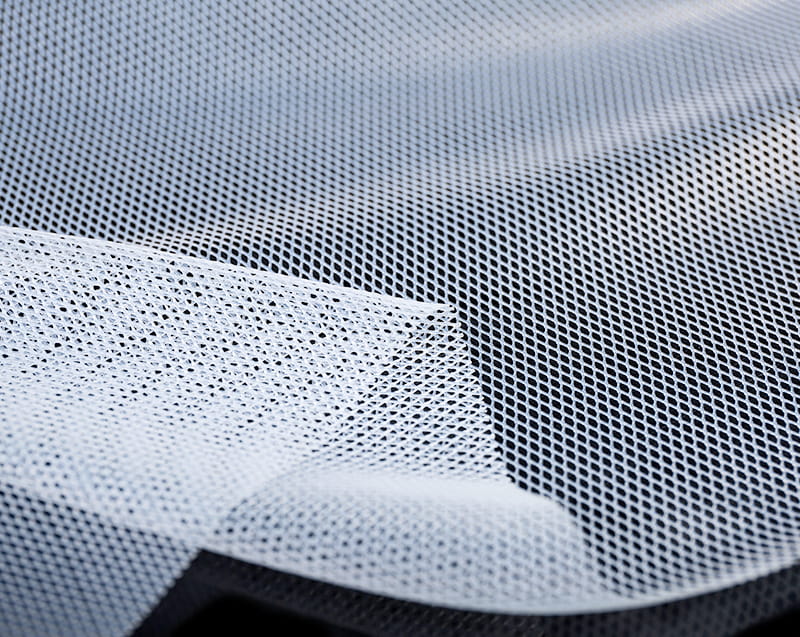
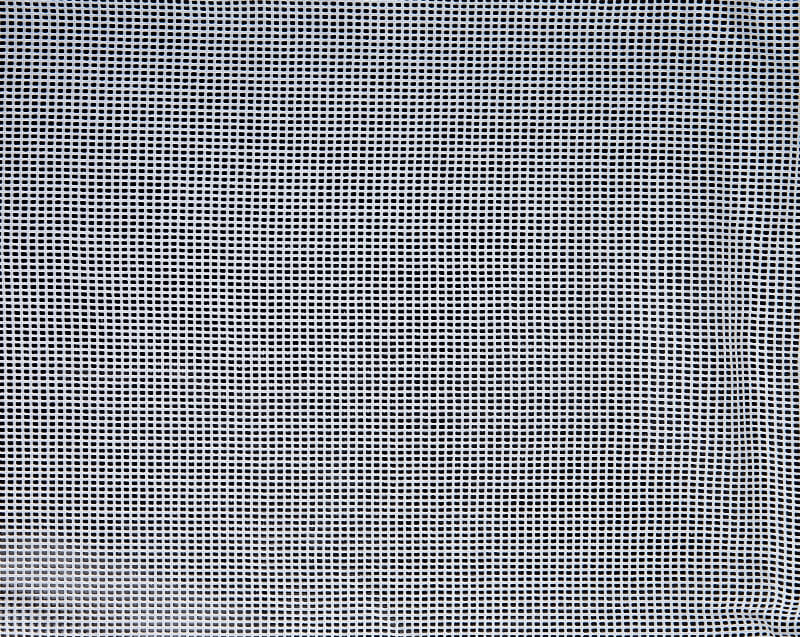
Hot Melt Adhesive Web is a thermoplastic adhesive supplied in a nonwoven web or net structure. It is designed to melt when heated and solidify upon cooling, forming a strong bond between substrates without the use of solvents or liquid glue systems. The web structure allows uniform adhesive distribution, ensuring consistent bonding strength across the entire surface.
During application, the adhesive web is placed between two materials and activated by heat through lamination, hot pressing, or calendaring. Once cooled, the adhesive forms a clean, flexible, and durable bond, making it ideal for precision-driven manufacturing processes.
Different polymer bases are used to tailor bonding performance to specific substrates and operating conditions. Selecting the right material is critical for achieving optimal adhesion and long-term stability.
Hot Melt Adhesive Web offers several operational benefits that directly improve manufacturing efficiency and product consistency. Its solid-state format eliminates common issues associated with liquid adhesives, such as uneven coating and solvent emissions.
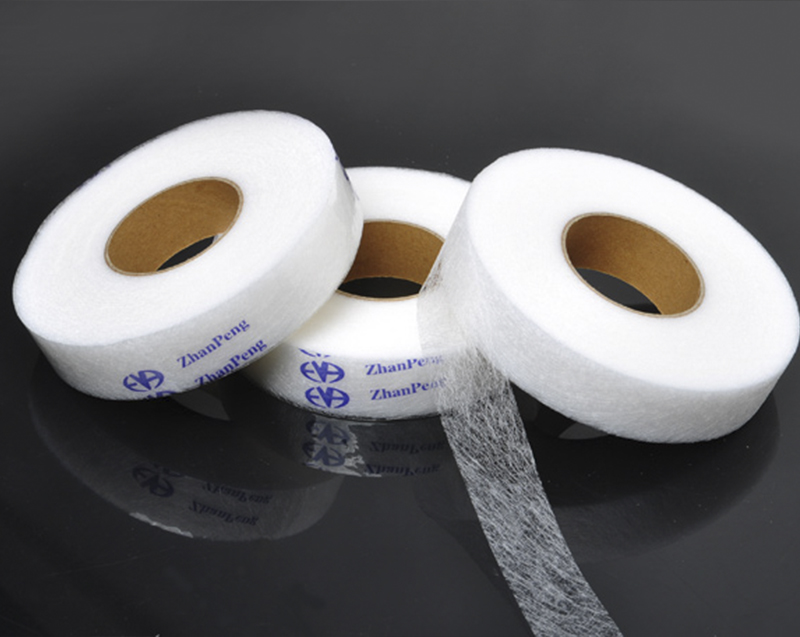
The versatility of Hot Melt Adhesive Web makes it suitable for a wide range of industries where reliable lamination and bonding are required.
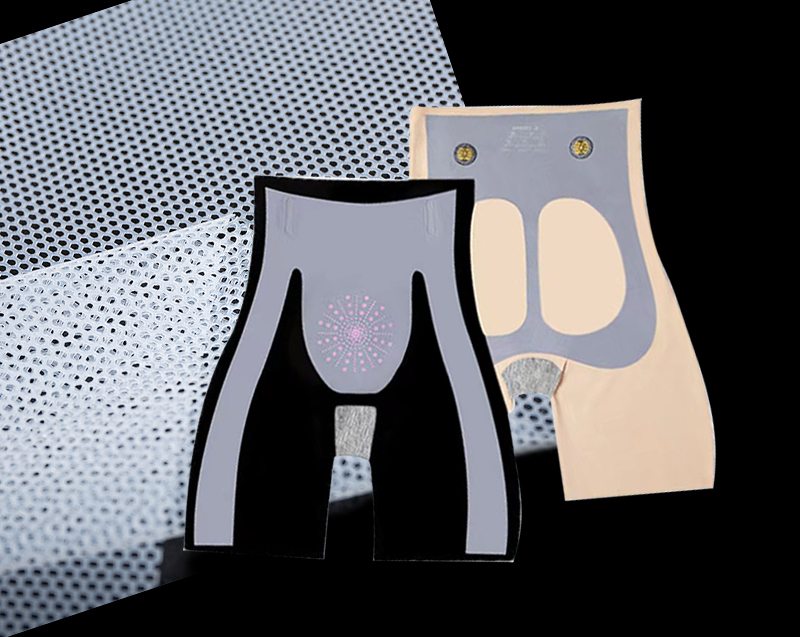
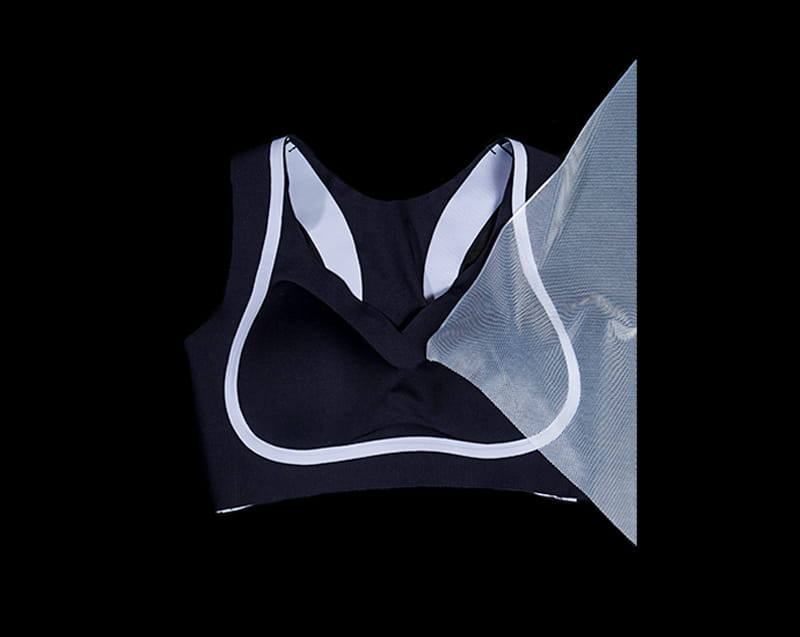
Used for bonding fabrics, interlinings, labels, and seamless garment components. The web maintains fabric flexibility while providing durable adhesion through repeated washing and wear.
Applied in interior trim lamination, seat fabrics, headliners, and insulation materials where heat resistance and long-term stability are critical.
Suitable for disposable medical products, wound dressings, and hygiene materials due to its clean processing and controlled adhesive application.
Choosing the correct Hot Melt Adhesive Web requires evaluating both material compatibility and processing conditions. The table below highlights common selection criteria.
| Melting Temperature | Must match equipment capability and substrate heat tolerance |
| Web Weight (GSM) | Determines bonding strength and adhesive consumption |
| Bonding Pressure | Affects adhesive penetration and final adhesion quality |
| Wash and Aging Resistance | Critical for apparel and long-life industrial products |
With increasing demand for cleaner production, automation compatibility, and high-performance bonding, Hot Melt Adhesive Web has become a preferred solution in modern manufacturing. Its ability to deliver precise, repeatable, and eco-friendly bonding aligns well with current industry trends focused on efficiency and sustainability.
As materials and application technologies continue to evolve, hot melt adhesive webs are expected to play an even larger role in advanced lamination and assembly processes across global markets.






 浙公网安备 33048202000557号