
Welcome to Pinghu Zhanpeng Hot Melt Adhesive Web & Film Co., Ltd. Enterprise Official Website.
Hot melt bonding solution provider
+86-573-85032008


High-density polyethylene tape (HDPE tape), often called polyethylene tape, PE tape, or HDPE self-adhesive tape, is a versatile sealing and protective material. Due to its excellent weather resistance, corrosion resistance, and waterproof properties, it's widely used in construction, pipe insulation, HVAC systems, and equipment repair. Proper installation of HDPE tape is crucial to ensuring its long-term performance. This guide will provide a professional and detailed overview to help you apply HDPE tape correctly.
Content
Before you begin applying the HDPE tape, thorough preparation is key to success.
Clean the Surface: Make sure the application surface is clean, dry, and free of grease, dust, rust, or any other contaminants. You can use isopropyl alcohol or a specialized cleaner to wipe it down. If there's old tape residue, use a scraper or solvent to remove it completely.
Smooth Rough Surfaces: If the surface is too rough or has sharp protrusions, sand or grind it down to make it smooth. This helps the PE tape adhere more tightly and prevents air bubbles or lifting caused by unevenness.
Control Temperature: The optimal application temperature for HDPE tape is typically between 10°C and 40°C (50°F and 104°F). If the ambient temperature is too low, the tape's adhesive strength will be reduced, so it's a good idea to warm both the tape and the surface. If the temperature is too high, the tape may become too soft and difficult to handle.
Measure and Cut: Accurately measure the required length and use a sharp knife or scissors to cut the tape. Try to avoid unnecessary splices to minimize potential weak points.
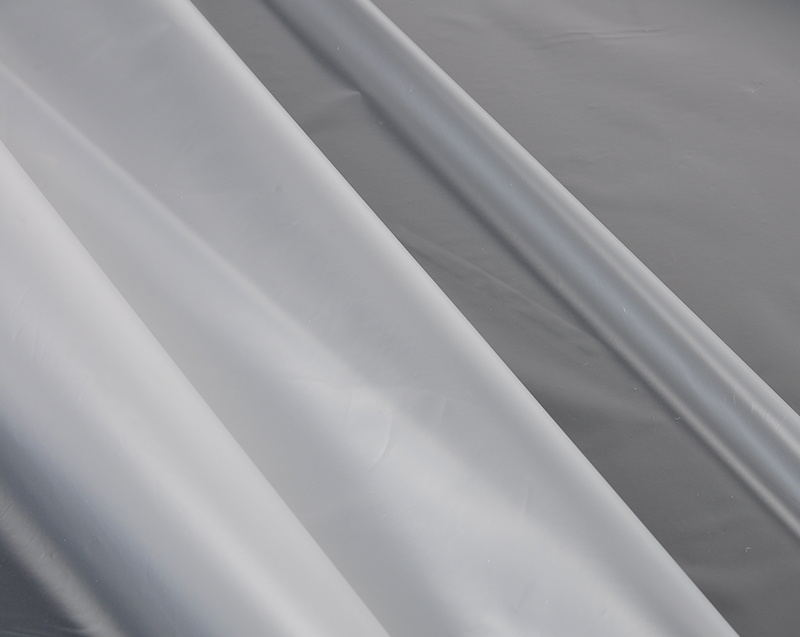
The correct application method will maximize the sealing and protective effects of HDPE tape.
Peel and Start Sticking: Peel a small section of the release liner from the roll. Align the end of the HDPE tape with your starting point and carefully press it onto the surface. Make sure the tape is parallel to the surface and not twisted.
Apply Even Pressure and Proceed: As you apply the tape, use your hand or a specialized roller to apply even pressure while slowly and continuously peeling off the release liner. Pressing from the center of the tape outwards effectively pushes out air and prevents bubbles.
Overlap Properly: When splicing multiple strips of polyethylene tape, ensure the overlap between the strips is at least 50% or as recommended by the manufacturer. This creates a continuous waterproof layer, preventing leaks at the seams.
Corners and Curves: When dealing with corners or curves, you can cut or fold the HDPE tape to ensure a tight fit. For outside corners, you can cut a V-shape; for inside corners, you can cut a notch to reduce wrinkles. Alternatively, you can apply the tape in sections, ensuring a sufficient overlap.
Final Compaction: After applying the tape, use a roller to firmly and thoroughly press down on the entire length of the tape. Pay special attention to the edges and seams, as this ensures the HDPE self-adhesive tape forms a strong bond with the substrate.
After completing the installation of the HDPE tape, a final inspection is essential.
Visual Inspection: Check the tape surface for any bubbles, wrinkles, or areas that haven't been pressed down properly. If you find any, use a blade to puncture the bubble and press it flat again.
Edge Inspection: Make sure all edges are tightly sealed and not lifting or loose.
Regular Maintenance: Although PE tape has excellent weather resistance, it's a good idea to periodically check its condition in extreme environments. If you find any damage or signs of aging, remove the old tape and reapply it promptly.
By following these professional steps, you can ensure that HDPE tape performs at its best, providing long-lasting and reliable protection for your projects. If you're unsure about a specific model or application scenario, it's always best to consult the HDPE tape manufacturer's instructions or seek advice from a professional.







 浙公网安备 33048202000557号