
Welcome to Pinghu Zhanpeng Hot Melt Adhesive Web & Film Co., Ltd. Enterprise Official Website.
Hot melt bonding solution provider
+86-573-85032008


In the world of bonding, the terms "hot melt adhesive" and "hot glue" are often used interchangeably, leading to some confusion. While they are indeed closely related and share fundamental characteristics, a professional understanding reveals that "hot melt adhesive" is the broader, more encompassing term, with "hot glue" typically referring to a specific application or subset of these adhesives, particularly in consumer and craft contexts.
Content
At its core, a hot melt adhesive (HMA) is a type of thermoplastic adhesive. This means it is solid at room temperature and becomes molten (liquid) when heated. When applied in its liquid state, it wets the surfaces to be bonded, and as it cools, it rapidly solidifies, creating a strong bond.
The composition of HMAs typically includes:
Polymers: These form the backbone of the adhesive, providing its strength and flexibility. Examples include ethylene-vinyl acetate (EVA), polyamides (PA), polyolefins, and polyesters.
Tackifying Resins: These enhance the adhesive's initial "tack" or stickiness, allowing for immediate bonding.
Waxes or Oils: These reduce the viscosity of the molten adhesive, making it easier to apply, and can also influence open time and set speed.
Additives: Various other components can be added to improve specific properties such as heat resistance, flexibility, color, or UV stability.
A key advantage of HMAs is their 100% solid content, meaning they contain no solvents or water that need to evaporate for the bond to form. This eliminates drying or curing times, significantly speeds up production processes, and reduces environmental concerns associated with volatile organic compounds (VOCs).
The term "hot glue" most commonly refers to the stick-form hot melt adhesives used with handheld hot glue guns by consumers, crafters, and for light-duty household repairs. These glue sticks are designed to be melted and dispensed by the relatively simple heating mechanism of a glue gun. While effective for many everyday tasks, these "hot glues" often represent a simpler, more generalized formulation of hot melt adhesives.
While "hot glue" is a type of "hot melt adhesive," here's why the distinction matters in a professional context:
Formulation Complexity and Performance:
Hot Melt Adhesives (HMAs): These encompass a vast array of specialized formulations designed for specific industrial applications. They can be engineered to offer superior bond strength, heat resistance, flexibility, adhesion to challenging substrates (e.g., certain plastics, metals), and specific open times/set speeds. Industrial HMAs often come in various forms beyond sticks, such as pellets, blocks, or drums, and are applied using sophisticated dispensing equipment.
Hot Glue (Consumer/Craft): Generally, these are simpler formulations, often EVA-based, providing good general-purpose adhesion but typically lacking the advanced performance characteristics required for demanding industrial environments.
Application Methods:
Hot Melt Adhesives (HMAs): Applied using industrial-grade hot melt systems that can include bulk melters, heated hoses, and automated dispensing nozzles (bead, spray, swirl, slot die) for high-volume, precise application.
Hot Glue (Consumer/Craft): Primarily applied with handheld hot glue guns.
Temperature Ranges:
Hot Melt Adhesives (HMAs): Can be formulated for a wide range of operating temperatures. High-performance HMAs may require higher application temperatures for optimal bonding, while "low melt" adhesives are designed for heat-sensitive materials.
Hot Glue (Consumer/Craft): Consumer glue guns are typically categorized as "high-temp" or "low-temp," indicating the general melting point of the sticks they accommodate.
Durability and Longevity:
Hot Melt Adhesives (HMAs): Industrial-grade HMAs are engineered for long-term durability and resistance to environmental factors like temperature fluctuations, moisture, and chemical exposure. Specialized formulations like Polyurethane Reactive (PUR) hot melts, for example, crosslink after application to form an even stronger, more durable bond that is less susceptible to re-melting.
Hot Glue (Consumer/Craft): While providing instant tack, the long-term bond strength and environmental resistance of typical craft hot glue are generally lower compared to industrial HMAs.
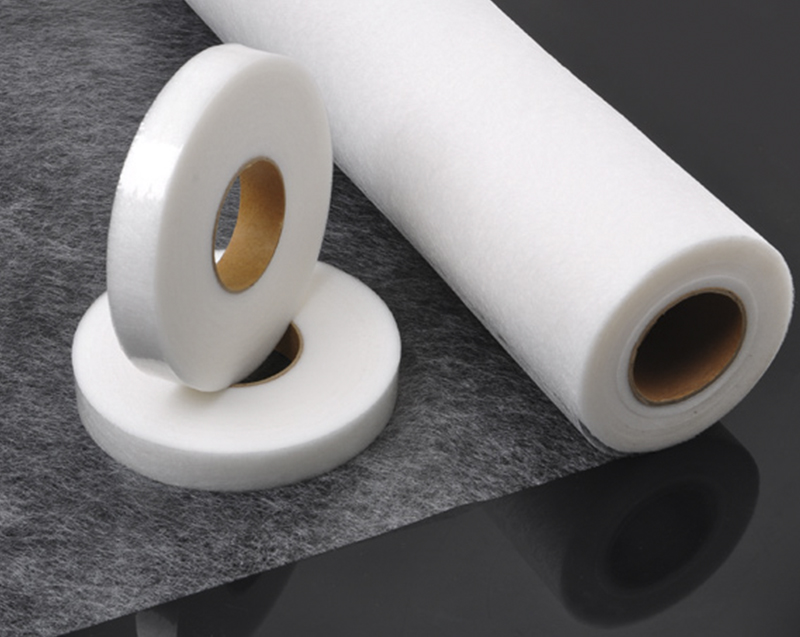
The versatility of hot melt adhesives, in their various forms, makes them indispensable across numerous industries:
Packaging: Carton sealing, tray forming, case erection, labeling (e.g., food, beverage, pharmaceuticals).
Product Assembly: Furniture, automotive components (trim, carpet, headliners), electronics (potting, encapsulation, wire tacking), appliances.
Woodworking: Edgebanding, general assembly, panel laminating.
Nonwovens/Hygiene: Diapers, sanitary napkins, medical drapes.
Bookbinding: Perfect binding.
Textiles: Fabric bonding, carpet manufacturing.
DIY & Crafting: Decorations, general repairs, art projects.
In essence, while all "hot glue" is a form of "hot melt adhesive," not all "hot melt adhesive" is what we typically refer to as "hot glue." The term "hot melt adhesive" is a broad category encompassing a sophisticated family of thermoplastic adhesives, precisely engineered and applied for a vast range of industrial and specialized applications. "Hot glue," on the other hand, usually denotes the more generalized, stick-form version used in consumer-level applications. Understanding this distinction is crucial for selecting the appropriate adhesive solution for specific performance requirements and application methods.







 浙公网安备 33048202000557号