
Welcome to Pinghu Zhanpeng Hot Melt Adhesive Web & Film Co., Ltd. Enterprise Official Website.
Hot melt bonding solution provider
+86-573-85032008


High-Density Polyethylene, or HDPE, is one of the most common plastics in the world. You probably see it every day in milk jugs, detergent bottles, and even your children’s toys. It’s tough, lightweight, and incredibly versatile. But when you add a twist—a whole lot of tiny holes, or apertures—it transforms into a specialized material that plays a critical, and often unseen, role in modern life: HDPE Apertured Film.
Content
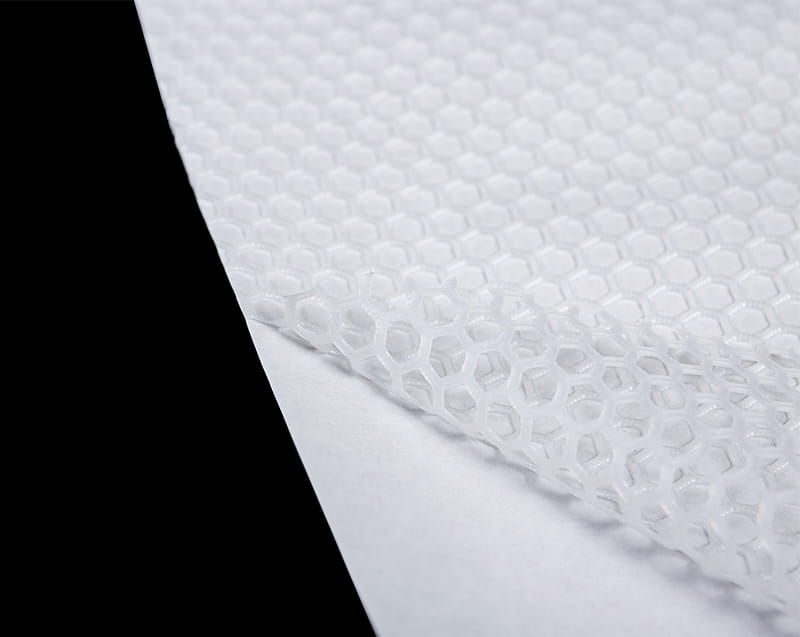
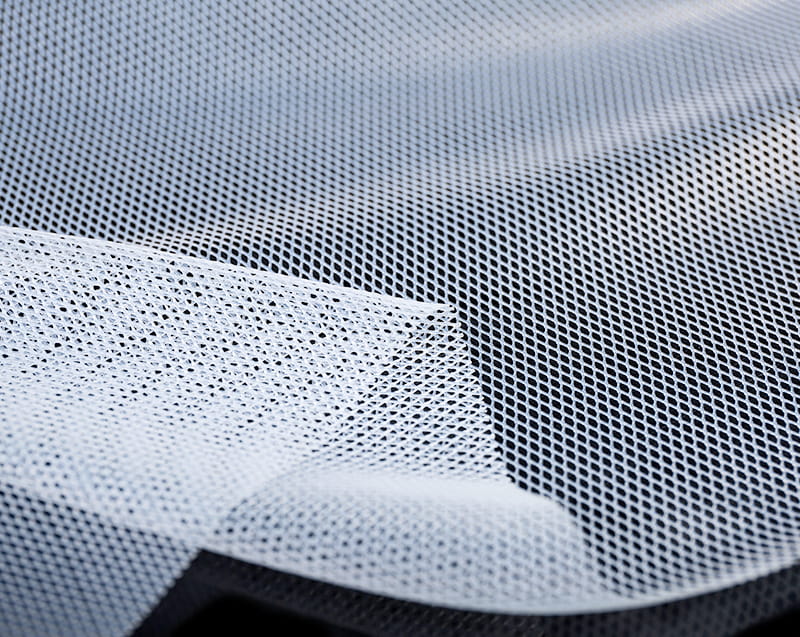
Forget about plain plastic wrap. Apertured film is a thin plastic sheet that has been systematically punctuated with a multitude of precisely sized and spaced holes.
While a sieve is simply a mesh used to separate materials, an apertured film is engineered to do much more. The key differences lie in its material and manufacturing:
This funnel structure allows the film to do two things exceptionally well: let fluids pass through quickly while simultaneously trapping or keeping solids away from the surface.
The structural design of HDPE apertured film unlocks several critical properties:
Imagine pouring water onto a piece of this film. Because of the funnel shape, the liquid is drawn through quickly. The surface tension of the liquid, combined with the film’s structure, makes it easy for liquid to enter but difficult for it to come back up. This is the secret behind its most well-known application.
The small points and edges created by the apertures mean that the film touches your skin less than a smooth film would. This minimized contact allows air to circulate and reduces the feeling of clamminess or sticking, which is essential for comfort in products worn against the body.
Even with thousands of holes, the underlying HDPE material provides high tensile strength—it resists being pulled apart. Yet, the film can be manufactured to feel remarkably soft and cloth-like. This combination is challenging to achieve with most materials, making HDPE apertured film a preferred choice where durability and gentle contact are required.
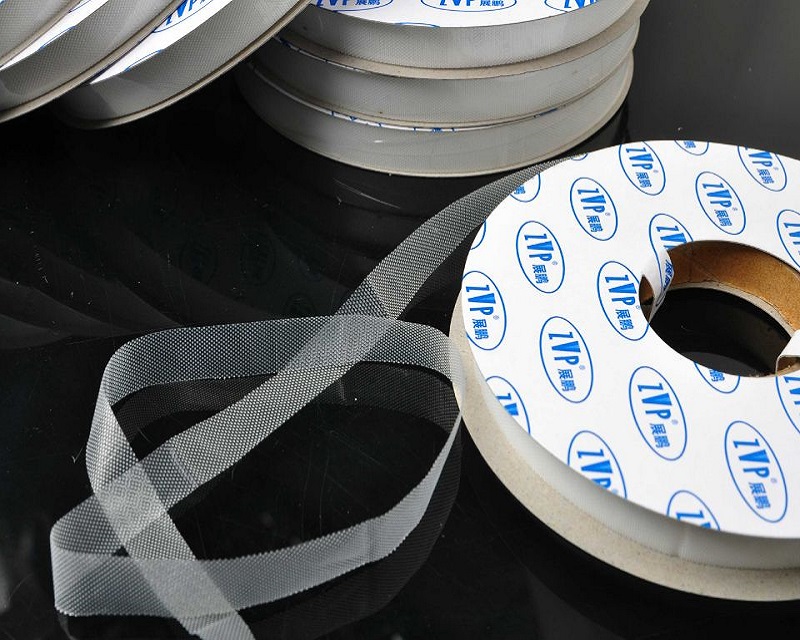
You interact with HDPE apertured film in products where rapid fluid transfer and a dry surface feel are crucial.
This is the largest and most recognizable use.
HDPE apertured film is a perfect example of how clever material engineering—taking a common plastic and adding a very specific structure—can solve complex problems, bringing comfort and performance to everyday products we often take for granted.







 浙公网安备 33048202000557号