
Welcome to Pinghu Zhanpeng Hot Melt Adhesive Web & Film Co., Ltd. Enterprise Official Website.
Hot melt bonding solution provider
+86-573-85032008


HDPE film tape represents a critical category within the adhesive tape market, valued for its superior performance characteristics derived from its High-Density Polyethylene backing. This professional-grade product offers a unique blend of strength, resistance, and flexibility, making it an indispensable component across various demanding industries, from construction and automotive to packaging and specialty manufacturing.
Content
HDPE is a thermoplastic polymer known for its high strength-to-density ratio. Its linear molecular structure, with minimal branching, allows molecules to pack tightly, resulting in a high degree of crystallinity and, consequently, a higher density than other polyethylene forms like Low-Density Polyethylene (LDPE).
This structure directly translates into the key attributes that define HDPE-based products, including the robust performance of HDPE film tape.
The specific physical and chemical properties of the HDPE film backing, combined with high-performance adhesive systems (often rubber or acrylic-based), distinguish this tape for challenging environments:
The robust features of HDPE film tape make it a preferred choice for applications where standard films or tapes might fail due to environmental factors, chemical exposure, or physical stress.
| Industry | Primary Application | Function |
|---|---|---|
| Construction | Vapor Barriers, Seaming, Patching | Sealing joints and edges of poly sheeting or vapor barriers to create a continuous, watertight and air-tight seal in foundations and wall assemblies. |
| Automotive/Painting | Masking and Surface Protection | Specialized masking films, often corona-treated for better paint adhesion, are secured with the tape to protect vehicles or parts from overspray during painting processes, especially in high-temperature spray booths. |
| Packaging & Bundling | Heavy-Duty Sealing, Reinforcement | Used for sealing heavy boxes, reinforcing edges of containers, and bundling pipes or wires due to its high tensile strength and tear resistance. |
| Infrastructure/Pipes | Corrosion Protection, Repair | Applying protective wraps around underground pipes (e.g., steel or plastic) to prevent corrosion, and patching cracks or punctures in HDPE pipes and containers. |
| Agriculture | Greenhouse and Silage Repair | Patching tears and securing overlaps in greenhouse films, mulch films, or silage bags, often requiring UV-resistant formulations. |
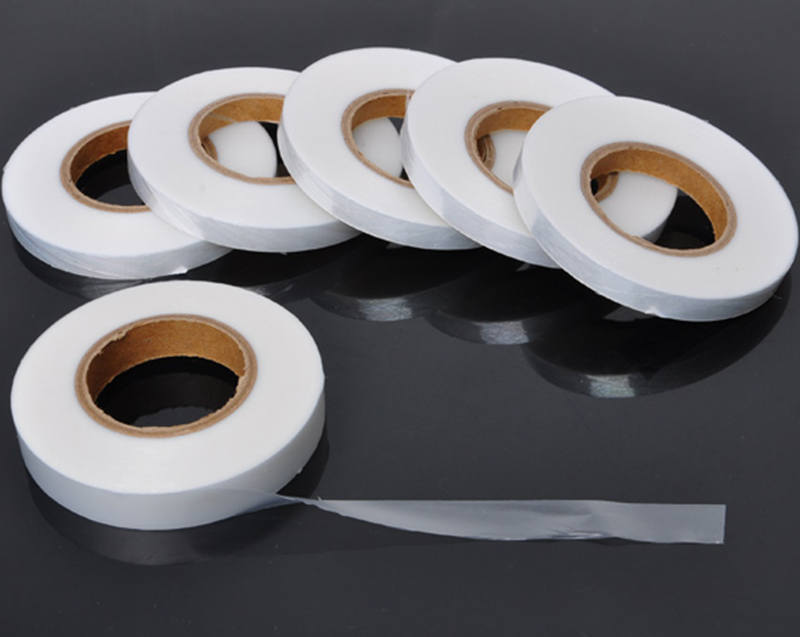
When specifying an HDPE film tape, the following technical details are critical to ensure optimal performance:
In conclusion, HDPE film tape stands out as a high-performance solution, offering durability and environmental resilience that far exceeds that of many conventional tapes. Its unique composition ensures reliable and long-lasting sealing, protection, and bonding in the most demanding industrial settings.
Would you like to know more about the different types of adhesives used with HDPE film tape?







 浙公网安备 33048202000557号