
Welcome to Pinghu Zhanpeng Hot Melt Adhesive Web & Film Co., Ltd. Enterprise Official Website.
Hot melt bonding solution provider
+86-573-85032008


Content
High-Density Polyethylene (HDPE) tape is a specialized adhesive solution known for its exceptional strength-to-density ratio and chemical resistance. Unlike standard PVC or film tapes, HDPE tape is engineered from a thermoplastic polymer that provides a rugged, low-friction surface. This material is inherently resistant to moisture, most acids, and alkalis, making it an indispensable tool in environments where corrosive elements would typically degrade standard bonding agents. Its molecular structure allows it to maintain structural integrity under significant tension, ensuring that once applied, the tape does not stretch or deform easily.
The versatility of HDPE tape allows it to bridge the gap between heavy-duty construction needs and precision industrial manufacturing. It is frequently utilized in the following sectors:
HDPE tape is characterized by its high tensile strength and puncture resistance. In many infrastructure projects, the tape must withstand the weight of soil and rock without tearing. Furthermore, it exhibits excellent UV stability when treated with carbon black or specific stabilizers, allowing it to remain functional even when exposed to direct sunlight for extended periods. This durability ensures a long service life, reducing the need for frequent maintenance or re-application.
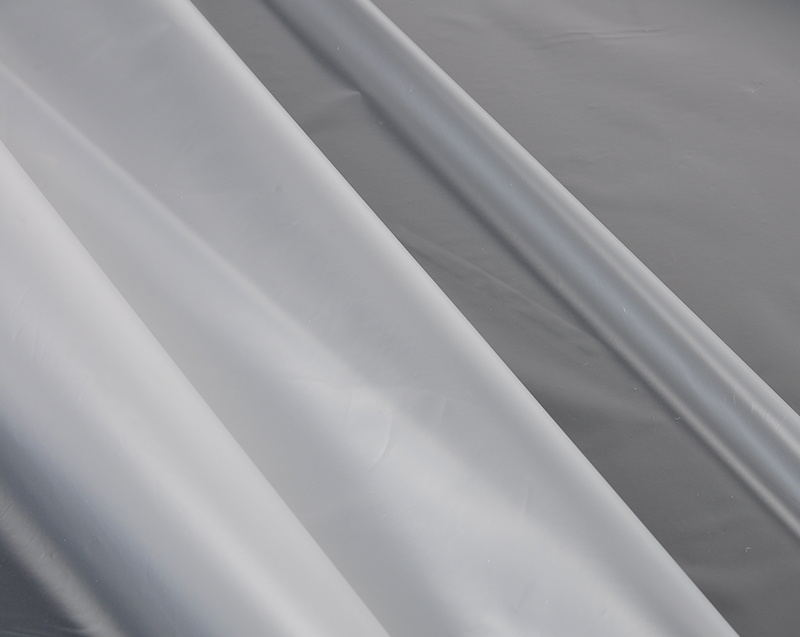
The effectiveness of HDPE tape is largely dependent on its adhesive backing, which is usually composed of a high-tack rubber or acrylic base. These adhesives are formulated to bond specifically with low-surface-energy plastics, which are notoriously difficult to stick to. This ensures that the tape remains securely anchored to the HDPE substrate, creating a cohesive unit that resists peeling due to temperature fluctuations or moisture ingress.
| Feature | HDPE Tape | PVC Tape | Rubber Tape |
| Chemical Resistance | Excellent | Moderate | Low |
| Moisture Barrier | Superior | Good | High |
| Tensile Strength | Very High | Medium | Low (Elastic) |
To achieve the maximum performance from HDPE tape, proper surface preparation is critical. The substrate must be thoroughly cleaned to remove dust, oils, or moisture that can interfere with the adhesive bond. When applying the tape to pipes or large surfaces, it is recommended to maintain a consistent tension and provide a minimum 50% overlap on each pass. This "half-lap" technique creates a double-layered barrier that significantly enhances the seal's integrity and prevents pathways for water or air to penetrate the joint.
Temperature also plays a vital role in the installation process. While HDPE tape can withstand extreme cold once applied, it is best applied at temperatures above 10°C (50°F) to ensure the adhesive reaches its full wetting potential. For cold-weather applications, choosing a grade specifically formulated for low-temperature tack is essential to prevent immediate delamination or brittle failure of the bond.







 浙公网安备 33048202000557号