What is Hot Melt Glue Film?
At its core, hot melt glue film is a special type of adhesive that remains solid at room temperature but melts when heated, allowing it to flow and wet the surfaces to be bonded. Once it cools down, it solidifies again, creating a strong, durable bond.
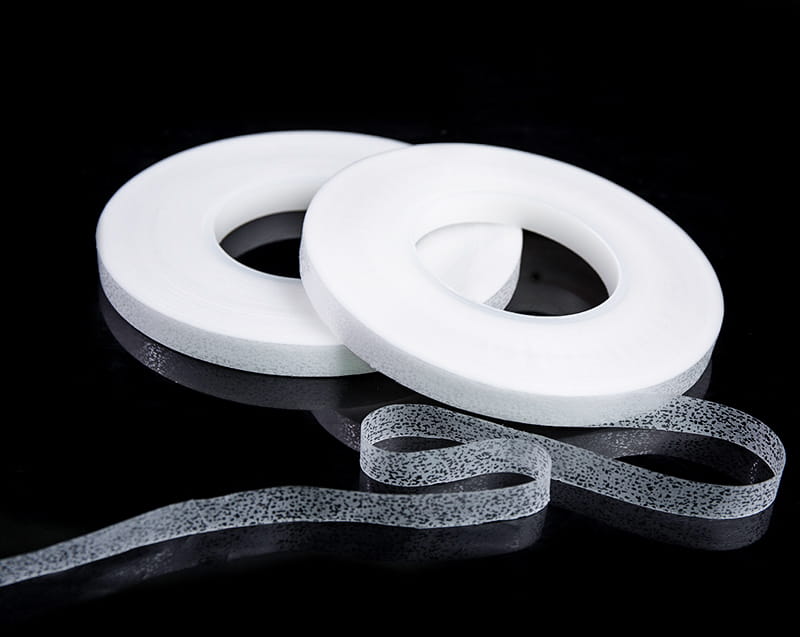
Unlike traditional liquid glues that require solvents or chemical reactions to cure, this film is a thermoplastic adhesive, meaning it can be repeatedly melted and solidified without losing its adhesive properties. It typically comes in a continuous roll or sheet form, ranging in thickness from ultra-thin to more substantial layers.
The Science Behind the Stick
The Power of Polymers
The key to the performance of hot melt glue film lies in its composition, which is usually based on various types of polymers. Common examples include:
- Polyethylene (PE) and Polypropylene (PP): These offer flexibility and good moisture resistance.
- Ethylene Vinyl Acetate (EVA): Known for its good adhesion to various substrates, low melt temperature, and flexibility.
- Polyester (PES) and Polyamide (PA): These provide high-temperature resistance and superior bonding strength, often used in demanding applications.
- Polyurethane (PU): Offers excellent flexibility, durability, and strong adhesion, particularly in textile and automotive fields.
When heat is applied (often activated by a heat press, iron, or lamination machine), the polymer chains transition from a rigid state to a viscous, flowing liquid. This liquid flows into the microscopic pores and irregularities of the materials being joined—a process called wetting. As the material cools, the polymers solidify, trapping the materials together and forming a powerful mechanical and chemical bond.
Advantages Over Liquid Adhesives
Hot melt glue film offers several significant advantages over its liquid counterparts:
- Solvent-Free and Environmentally Friendly: Since they are 100% solid, they emit virtually no volatile organic compounds (VOCs), making them safer for workers and the environment.
- Instant Bonding: The bond is established almost immediately upon cooling, which drastically speeds up manufacturing and assembly processes.
- Consistent Thickness: The film provides a uniform layer of adhesive, ensuring a consistent and reliable bond across the entire surface.
- Clean and Easy to Use: They eliminate the mess associated with liquid glues, requiring less cleanup and handling.
Diverse Applications Across Industries
The versatility of hot melt glue film has made it an essential material in countless industries, often acting as the invisible link holding products together.
Textile and Garment Manufacturing
In the world of fashion and performance wear, the film is used for:
- Seam Taping: Sealing seams on waterproof or water-resistant outdoor clothing (like ski jackets and tents) to prevent water intrusion.
- Emblem and Patch Application: Providing a clean, permanent bond for attaching logos and patches without the need for sewing.
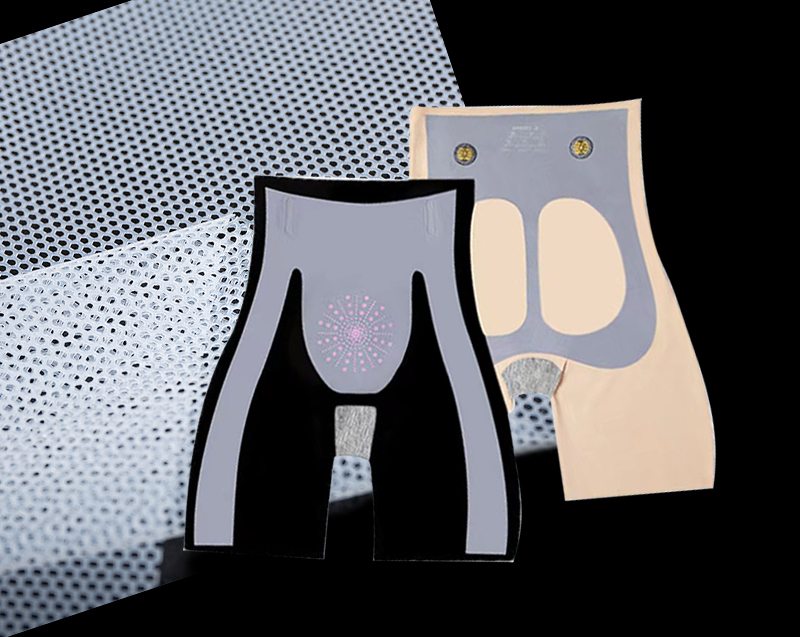
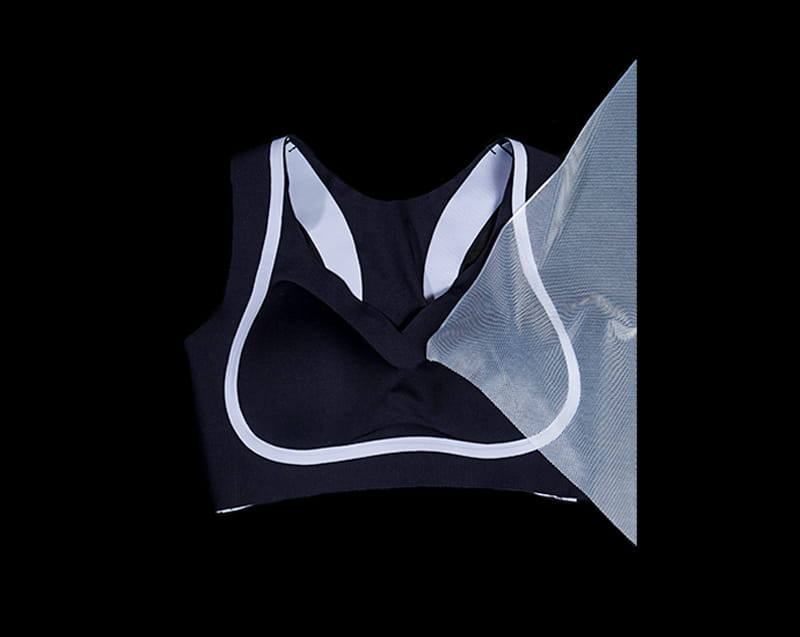
- Bonding Fabrics: Creating flexible, lightweight, and durable bonds for laminating multiple layers of fabric in athletic wear or intimate apparel.
Automotive and Transportation
In vehicles, the film is crucial for:
- Interior Lamination: Bonding foam, fabric, and trim to car interior components such as door panels and headliners.
- Acoustic Insulation: Securing sound-dampening materials within the vehicle chassis to reduce noise and vibration.
Electronics and Consumer Goods
- Display Assembly: Thin films are used to bond layers in electronic displays and touchscreens.
- Component Mounting: Securing small electronic components within devices, offering shock resistance.
- Product Assembly: General assembly of consumer goods, from packaging to toys.
Construction and Furnishings
- Laminating Wood Panels: Bonding veneers and decorative overlays to particleboard or MDF in furniture and cabinetry.
- Flooring Installation: Used in some multi-layered flooring systems to bond components together.
The Future is Flexible
As manufacturers increasingly seek lighter, cleaner, and faster assembly methods, the demand for sophisticated hot melt glue film continues to grow. Advances in polymer science are leading to new films with even better performance characteristics, such as higher temperature resistance, greater elasticity, and better adhesion to challenging materials like difficult plastics and composites. From the clothes on your back to the phone in your hand, this unassuming film is a fundamental part of modern manufacturing, quietly holding our world together.










 浙公网安备 33048202000557号