
Welcome to Pinghu Zhanpeng Hot Melt Adhesive Web & Film Co., Ltd. Enterprise Official Website.
Hot melt bonding solution provider
+86-573-85032008


The Hot Melt Adhesive Web is a highly versatile product playing an increasingly vital role across numerous industries. Far from a simple glue, this material represents a sophisticated solution for bonding a wide array of substrates, offering unique advantages over traditional liquid or film adhesives.
Content
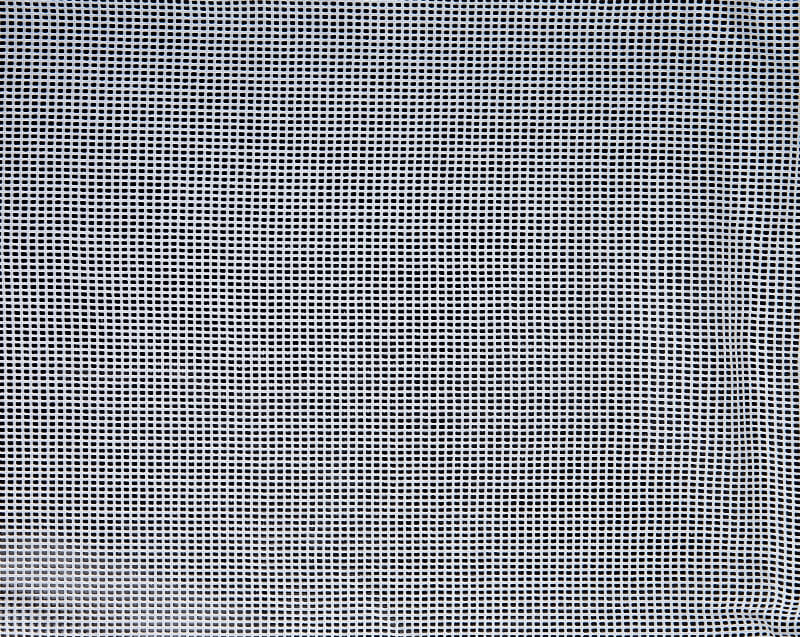
A Hot Melt Adhesive Web is a non-woven, net-like material composed of fine thermoplastic polymer fibers. It's essentially a dry, lightweight, and porous fabric made entirely of adhesive. Unlike solid films or liquid adhesives, the web structure provides a significant amount of "air" or open space, contributing to its excellent breathability and soft hand feel, making it ideal for textile applications.
The fibers in the Hot Melt Adhesive Web are typically manufactured from polymers such as Polyurethane (PU), Polyester (PES), Polyamide (PA), or various EVA (Ethylene-Vinyl Acetate) co-polymers. The specific polymer chosen dictates the adhesive's properties, including its activation temperature, open time, bond strength, and wash/dry-cleaning resistance.
The bonding process is straightforward:
The web is placed between the two materials to be joined.
Heat and pressure are applied, typically via a laminator, iron, or heat press.
The thermoplastic fibers melt, flow, and wet out the surfaces of the substrates.
Upon cooling, the adhesive solidifies, creating a permanent, strong bond.
The unique structure of the Hot Melt Adhesive Web grants it several key benefits that drive its adoption in various manufacturing sectors:
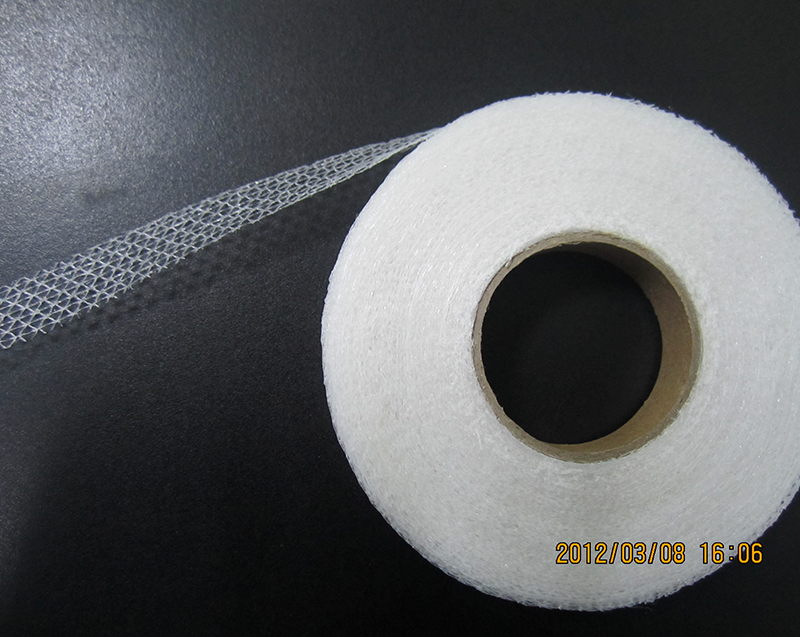
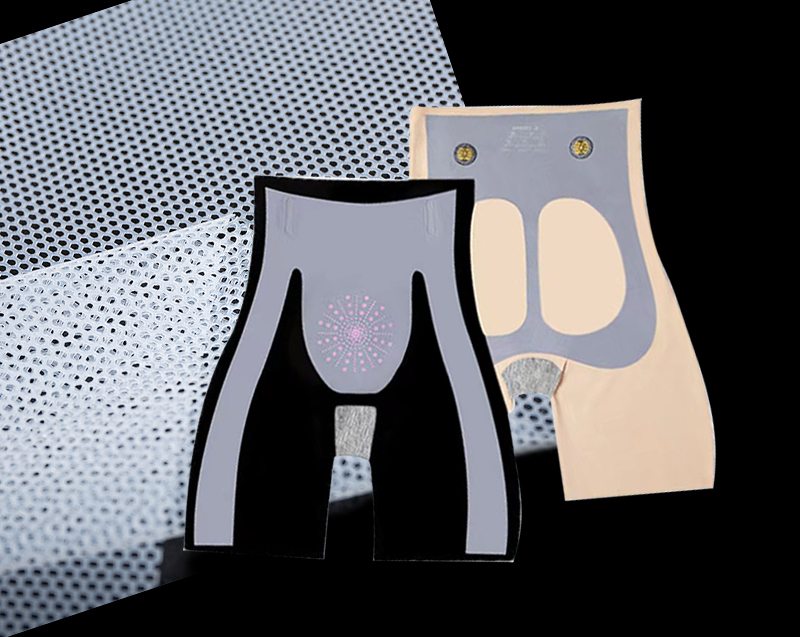
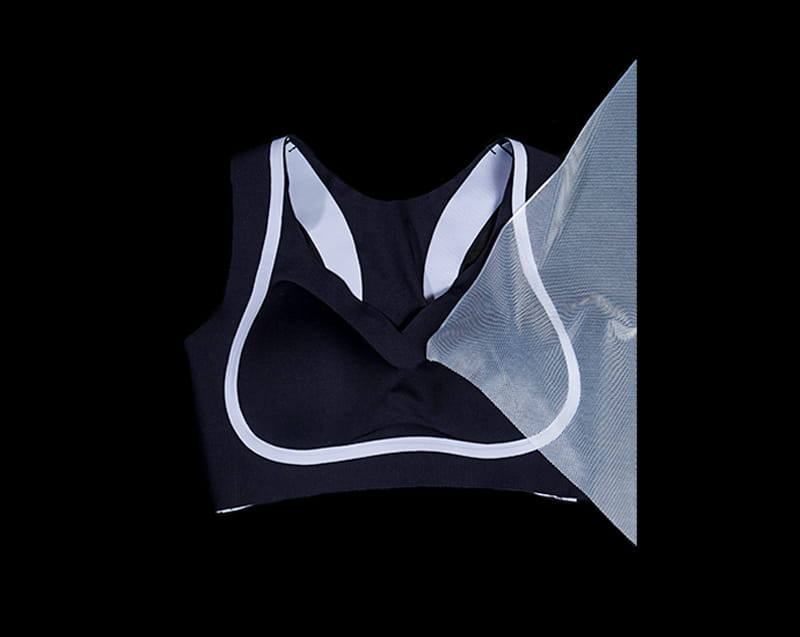
Textiles and Apparel: Used extensively for laminating fabrics (e.g., creating waterproof-breathable membranes for outdoor gear), hemming, applying appliqués, and bonding interlinings.
Automotive: Found in the lamination of interior components, such as headliners, seat covers, and acoustic damping materials.
Medical: Utilized in the construction of wound care dressings, transdermal patches, and disposable garments where flexibility and breathability are paramount.
Filtration: Employed to bond filter media layers without compromising air or liquid flow.
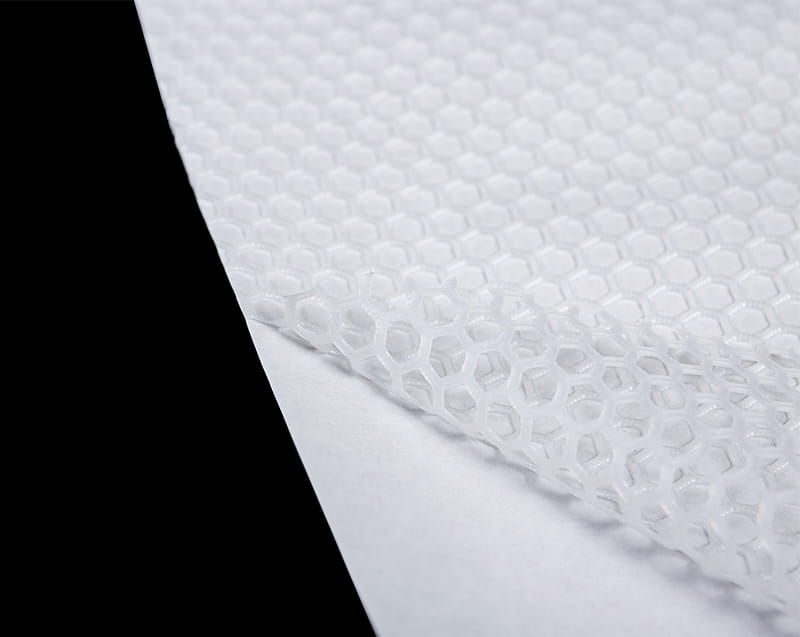
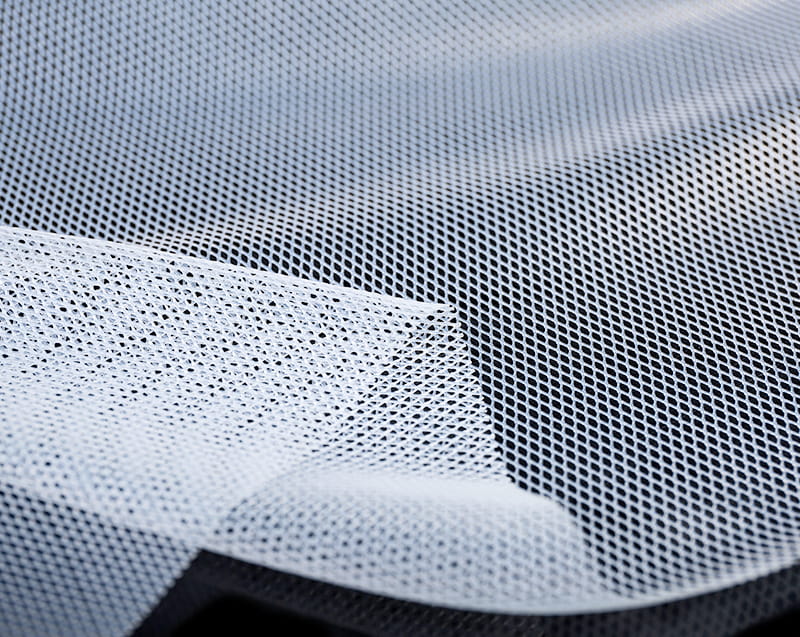
While both are dry, solid-form adhesives, the Hot Melt Adhesive Web is fundamentally different from a Hot Melt Film Adhesive.






 浙公网安备 33048202000557号