The modern manufacturing world relies on advanced bonding solutions to create everything from textiles and electronics to automotive parts and furniture. Among the most versatile and efficient of these solutions is hot melt adhesive film. This product, often a thin, rollable sheet of thermoplastic resin, has revolutionized industrial bonding by offering a clean, fast, and precise alternative to traditional liquid adhesives.
What is Hot Melt Adhesive Film?
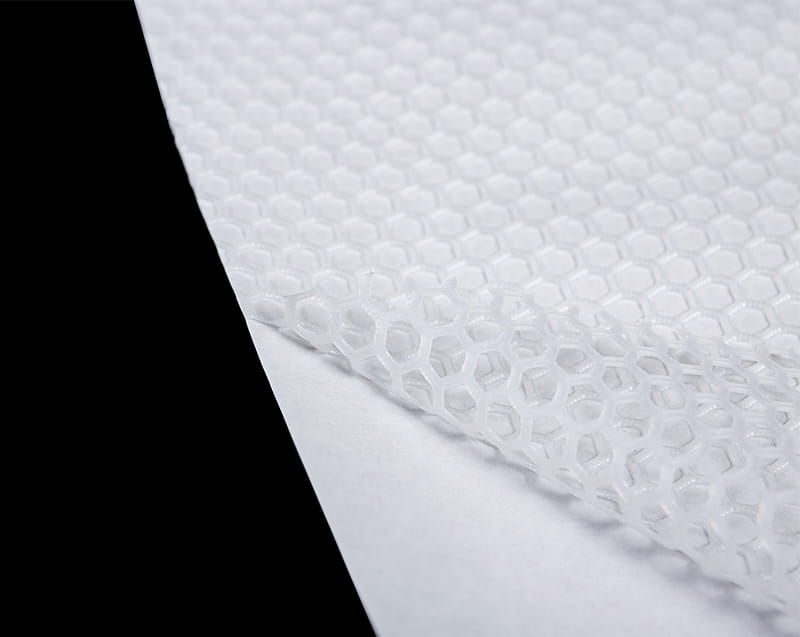
Unlike liquid glues that require solvents or water to activate and cure, a hot melt adhesive film is solid at room temperature and is non-tacky. Its adhesive properties are activated solely by heat. When heated to a specific melting point, the film turns into a viscous liquid, wetting the surfaces it’s bonding. As it cools, it quickly solidifies, creating a strong, durable bond in a matter of seconds. This process is clean and efficient, eliminating the mess and long curing times associated with liquid adhesives.
Key Advantages
The widespread adoption of hot melt adhesive film is driven by several key benefits:
- Environmental Friendliness: They contain no solvents, volatile organic compounds (VOCs), or other hazardous substances, making them a safe and eco-friendly choice for both workers and the environment.
- Precision and Uniformity: The film format allows for precise and uniform application. This is especially critical in industries where bond line thickness and aesthetics are important, such as in laminating fabrics or assembling delicate electronic components.
- Speed and Efficiency: The rapid setting time of hot melt adhesives significantly speeds up production lines. Manufacturers can quickly move on to the next step of the process without waiting for the adhesive to cure, which boosts overall productivity.
- Versatility: These films can bond a wide range of materials, including textiles, plastics, metals, wood, and foams. Different formulations are available to cater to specific material needs, from low-temperature adhesives for heat-sensitive substrates to high-strength versions for demanding applications.
- Cleanliness: Since they are solid and dry to the touch, hot melt adhesive films minimize mess and waste. This leads to cleaner production environments and less need for cleanup.
Composition and Types
Hot melt adhesive film is typically made from various polymers, with the choice of material determining the film’s properties and best use cases. Some common types include:
- Polyolefin (PO) Films: Known for their excellent water resistance and chemical stability. They are often used for bonding materials like polypropylene and polyethylene.
- Polyamide (PA) Films: These films offer high-temperature resistance and good adhesion to a wide variety of substrates, including nylons and other engineering plastics.
- Polyester (PES) Films: Providing good adhesion to textiles and a balance of strength and flexibility, PES films are popular in the apparel and textile industries.
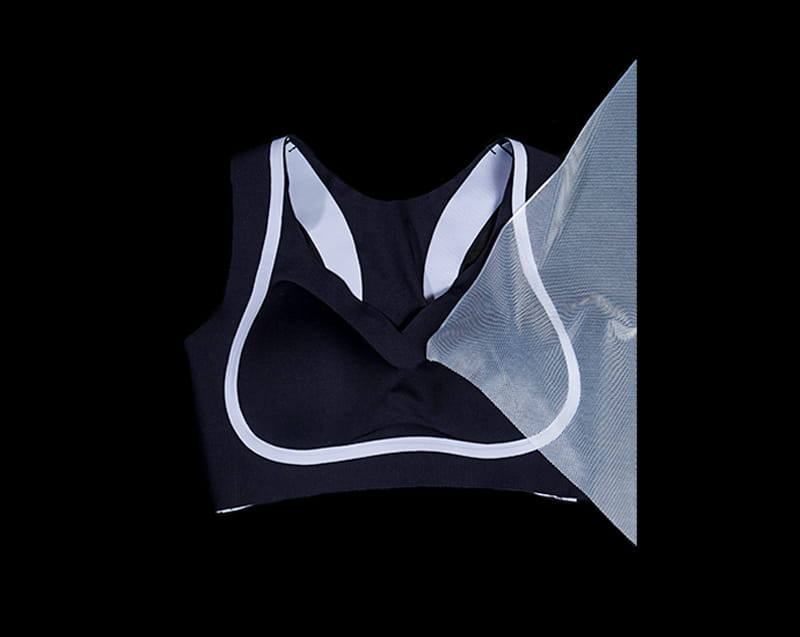
- Thermoplastic Polyurethane (TPU) Films: These are highly elastic and durable, with excellent wash resistance. TPU films are ideal for sportswear, seamless garments, and other applications where flexibility and durability are paramount.
Applications Across Industries
The versatility of hot melt adhesive film has led to its adoption across a multitude of industries:
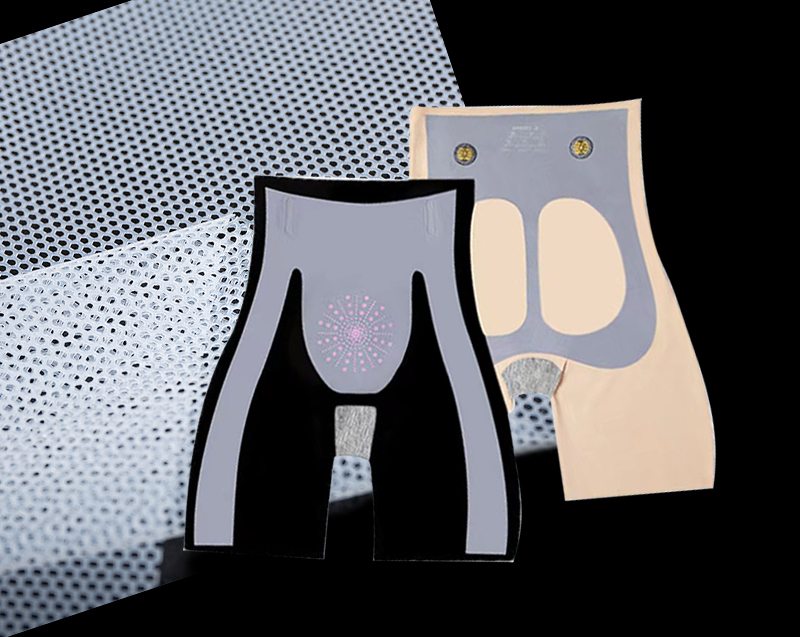
- Textiles and Apparel: Used for hemming, seaming, appliqué, and creating waterproof and breathable layers in sportswear and outdoor gear.
- Automotive: For interior trim, upholstery, and sound-dampening panels.
- Electronics: Bonding components, protecting circuits, and heat dissipation in devices.
- Building and Construction: Laminating materials for insulation, flooring, and decorative panels.
- Medical: Used in the production of medical gowns, bandages, and other disposable products.
In conclusion, hot melt adhesive film represents a significant step forward in bonding technology. Its combination of strength, efficiency, environmental safety, and versatility makes it an indispensable tool for modern manufacturing. As industries continue to seek faster, cleaner, and more precise production methods, the demand for this innovative adhesive solution will only continue to grow.










 浙公网安备 33048202000557号