
Welcome to Pinghu Zhanpeng Hot Melt Adhesive Web & Film Co., Ltd. Enterprise Official Website.
Hot melt bonding solution provider
+86-573-85032008


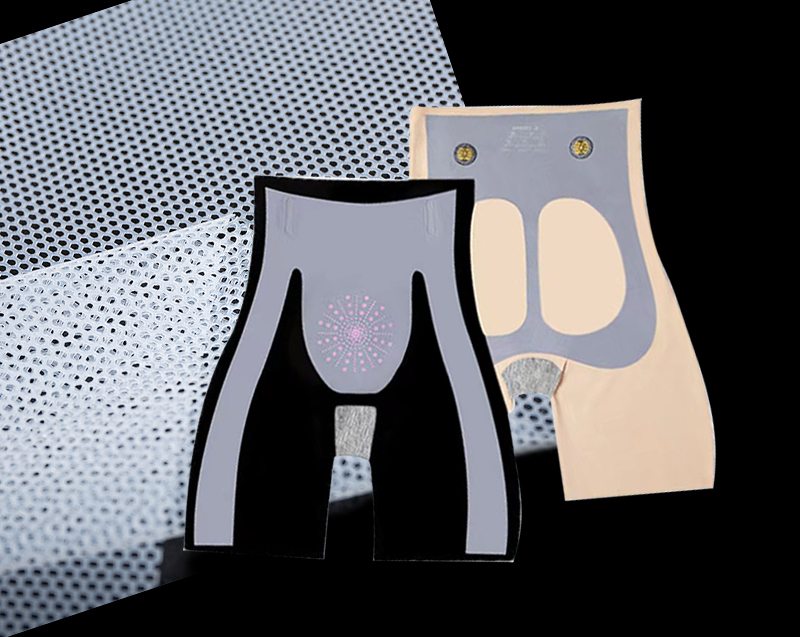
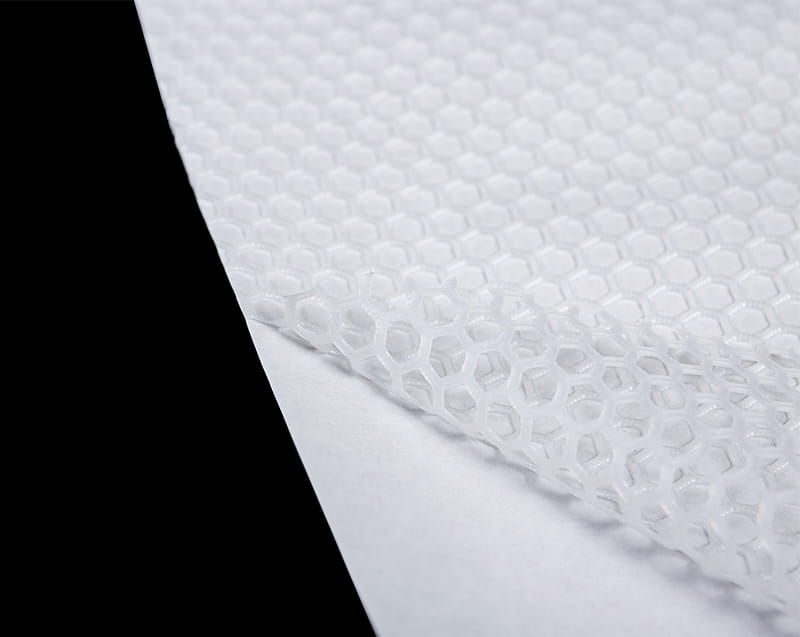
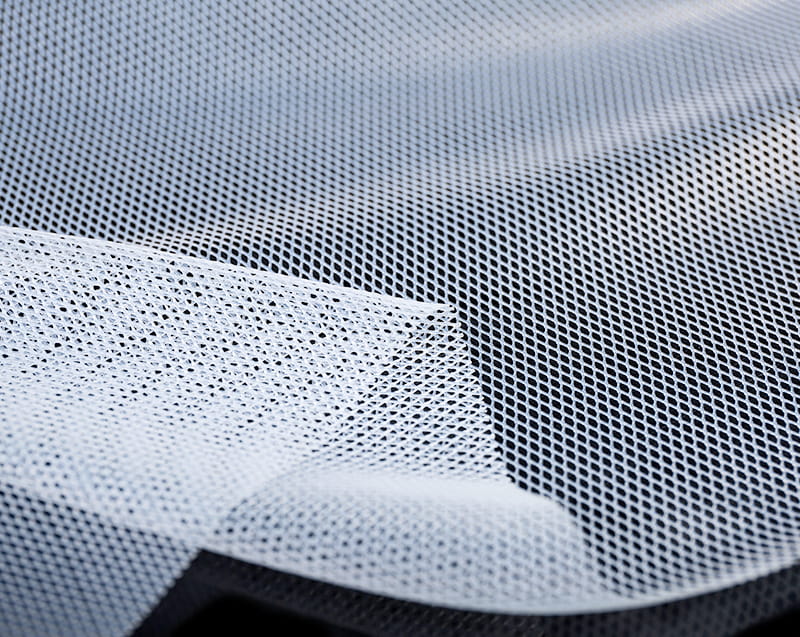
High-density polyethylene, or HDPE, is a versatile and robust plastic known for its strength, chemical resistance, and high strength-to-density ratio. When this material is manufactured into an apertured film—a thin sheet with tiny, uniform holes—it gains new properties that make it a critical component in a wide range of industries. The unique perforated structure enhances breathability and fluid management while maintaining the material's inherent durability.
The main applications of HDPE apertured film leverage these dual properties, making it an indispensable material in fields where absorbency, liquid transfer, and hygiene are paramount.
Content
The most prominent application for HDPE apertured film is in the personal hygiene sector, especially for disposable products. In items like baby diapers, adult incontinence briefs, and feminine hygiene products, the film serves as a top sheet that comes into direct contact with the skin.
Fluid Management: The apertures (holes) in the film are designed to quickly wick liquids away from the skin and into the absorbent core of the product. This rapid fluid transfer keeps the surface dry and comfortable, preventing skin irritation and rashes.
Softness and Comfort: The film can be treated to be exceptionally soft and smooth, providing a comfortable, non-irritating surface for sensitive skin. This is a key advantage over traditional non-perforated plastic films.
Odor Control: The film's structure can also contribute to better air circulation, which helps reduce moisture and odor buildup.
In the medical field, cleanliness and material reliability are critical. HDPE apertured film is used in various applications to ensure sterile, safe environments.
Surgical and Exam Drapes: The film can be used as a layer in surgical drapes to prevent liquid strike-through, creating a barrier that protects both the patient and the medical staff from contamination.
Protective Apparel: It can be incorporated into medical gowns and apparel to provide a breathable yet fluid-resistant layer.
Wound Care: In some advanced wound dressings, the film can serve as a non-adherent contact layer, allowing exudate (wound fluid) to pass through while preventing the dressing from sticking to the wound bed during removal.
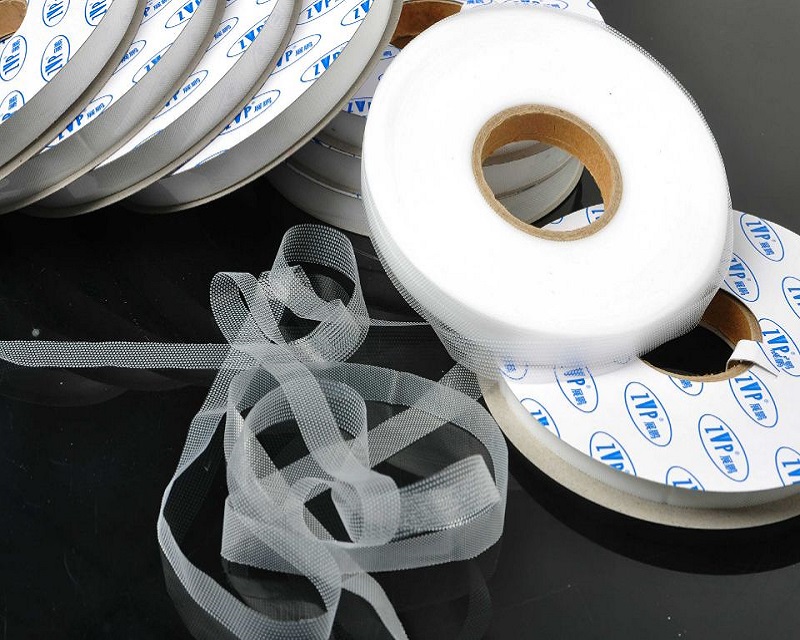
The precise, uniform holes of an HDPE apertured film make it an excellent choice for certain filtration and separation tasks where a specific pore size is required.
Industrial Filtration: It's used in filters for various industrial fluids, where its chemical resistance to acids and bases, as well as its durability, are a significant advantage.
Agricultural Applications: The film can be used in agricultural drainage systems or as a ground cover where it allows water to pass through while preventing the buildup of soil or debris.
In civil engineering and construction, geotextiles are used to improve the performance of soil and pavement. HDPE apertured film can be a component of these materials, providing unique functionality.
Drainage Layers: The film is used to create a permeable layer that facilitates drainage, preventing water pressure from building up in retaining walls, landfills, and other underground structures.
Separation and Protection: It can be used to separate different layers of soil or aggregate, preventing them from mixing while still allowing water to flow.
The adaptability of HDPE apertured film stems directly from its unique combination of properties: the inherent strength and chemical resistance of HDPE are perfectly complemented by the engineered breathability and fluid-handling capabilities of its apertured structure. This makes it a go-to material for manufacturers seeking a high-performance, cost-effective solution in a variety of demanding applications.







 浙公网安备 33048202000557号