
Welcome to Pinghu Zhanpeng Hot Melt Adhesive Web & Film Co., Ltd. Enterprise Official Website.
Hot melt bonding solution provider
+86-573-85032008


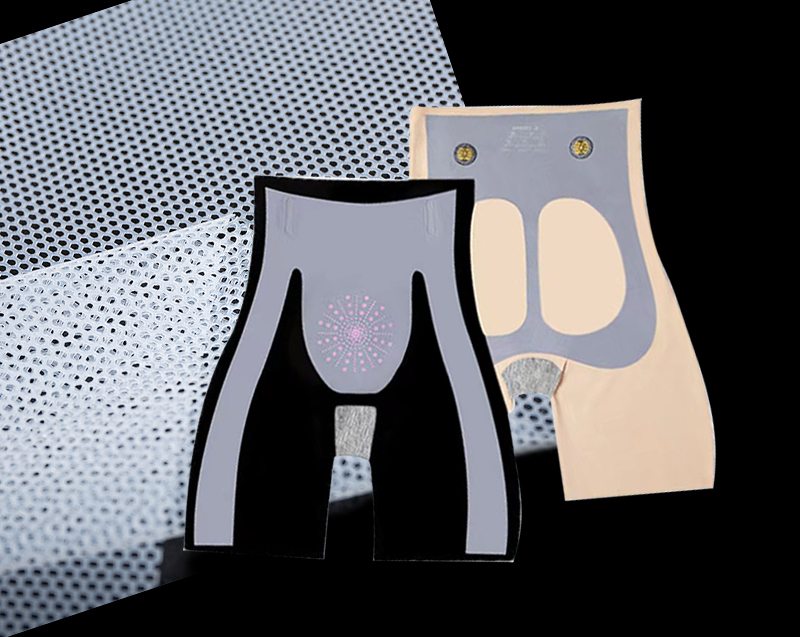
HDPE apertured film is becoming the go-to material in industries ranging from hygiene products to packaging. Known for its strength, flexibility, and breathability, this unique polymer film is perforated or "apertured" to allow fluid passage while maintaining structural integrity. It’s a practical choice for manufacturers looking to enhance absorbency and comfort in products like diapers, feminine hygiene items, and medical pads.
Content
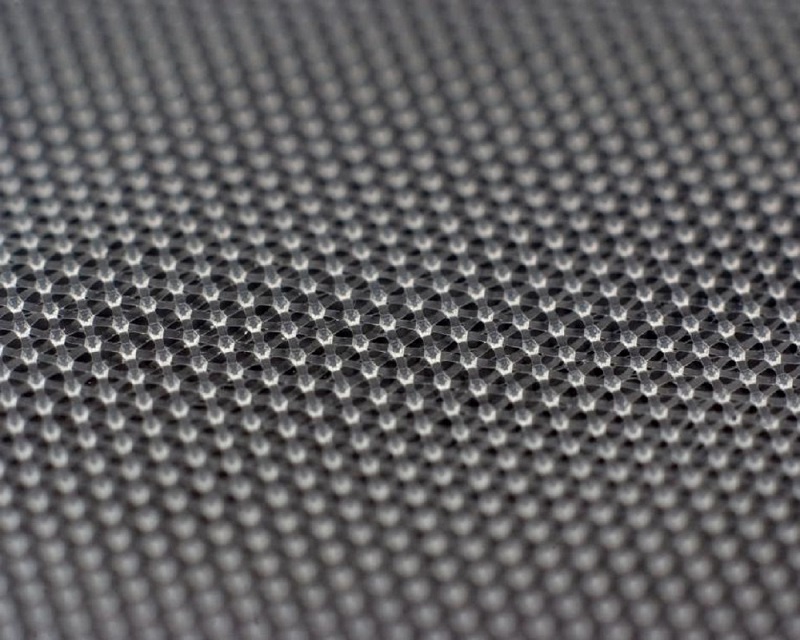
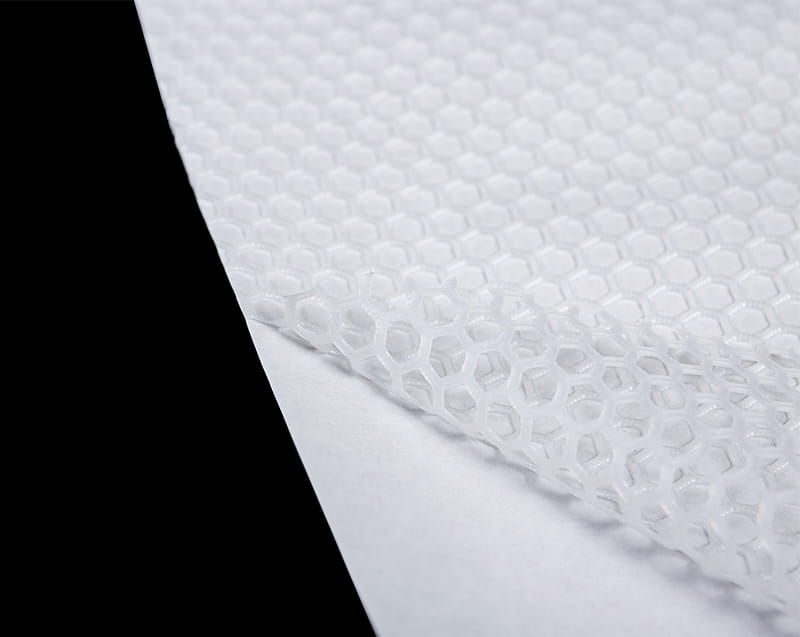
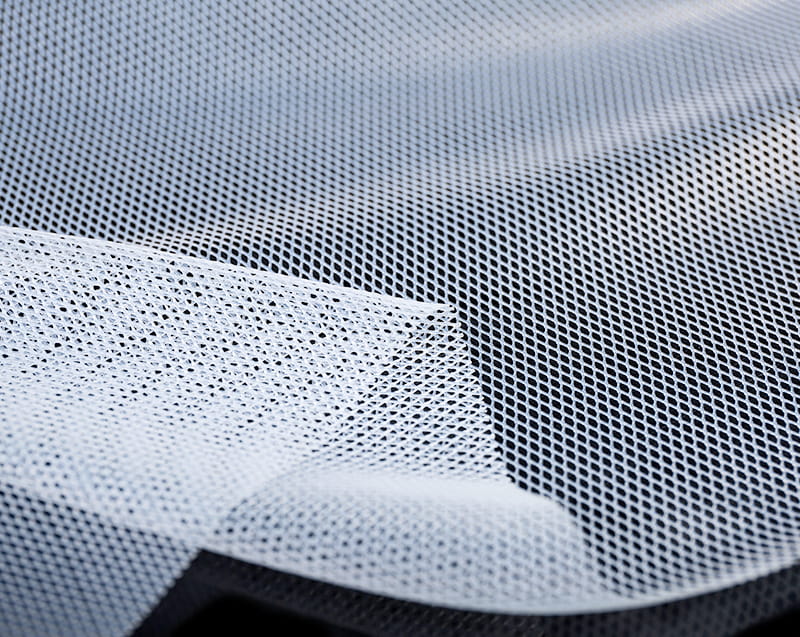
Unlike traditional flat films, HDPE apertured film has tiny, regularly spaced holes that give it permeability without sacrificing durability. This means it can efficiently transport liquid away from the surface while keeping the product dry to the touch. Its lightweight nature also reduces material usage, which is both cost-effective and environmentally friendly.
| Property | Description |
| Material | High-Density Polyethylene (HDPE) |
| Thickness | 15–50 microns, adjustable for application |
| Aperture Size | 50–500 microns, depending on fluid flow requirements |
| Tensile Strength | High, resists tearing under stress |
| Breathability | Excellent, allows vapor transmission |
When selecting an HDPE apertured film, consider the following:







 浙公网安备 33048202000557号