
Welcome to Pinghu Zhanpeng Hot Melt Adhesive Web & Film Co., Ltd. Enterprise Official Website.
Hot melt bonding solution provider
+86-573-85032008


Content
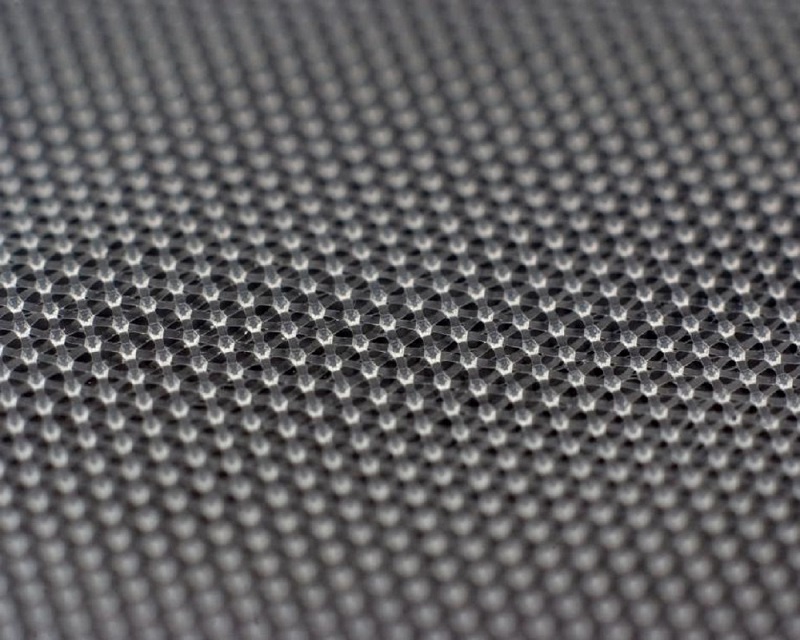
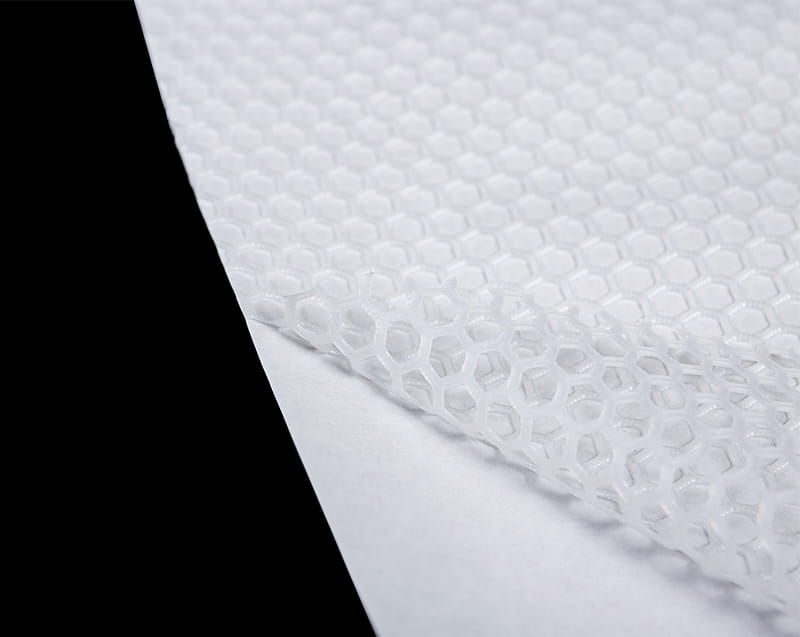
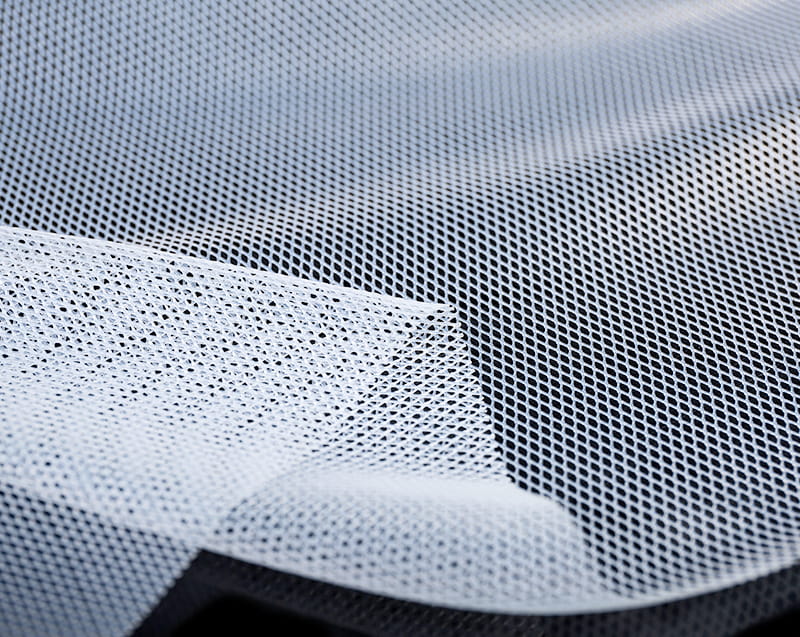
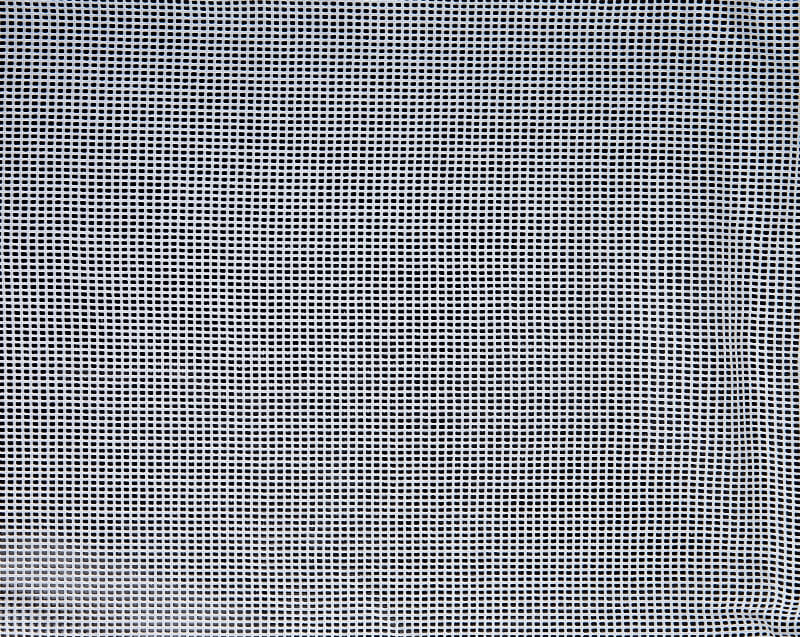
HDPE Apertured Film is a specialized high-density polyethylene material that has been mechanically or thermally perforated to create a precise pattern of holes or "apertures." Unlike standard plastic sheets, this film acts as a breathable barrier or a structural mesh, depending on its density and hole size. The high-density polyethylene base provides exceptional chemical resistance and tensile strength, while the apertures allow for the controlled passage of air, liquids, or light. This unique combination makes it a versatile component in manufacturing, where both durability and permeability are required.
The engineering behind these films involves stretching the polymer to align its molecular chains, which enhances its resistance to tearing. The apertures themselves are often three-dimensional or funnel-shaped, designed to facilitate "one-way" fluid transport in specific applications. This structural integrity ensures that the film maintains its shape even under mechanical stress or exposure to varying environmental conditions.
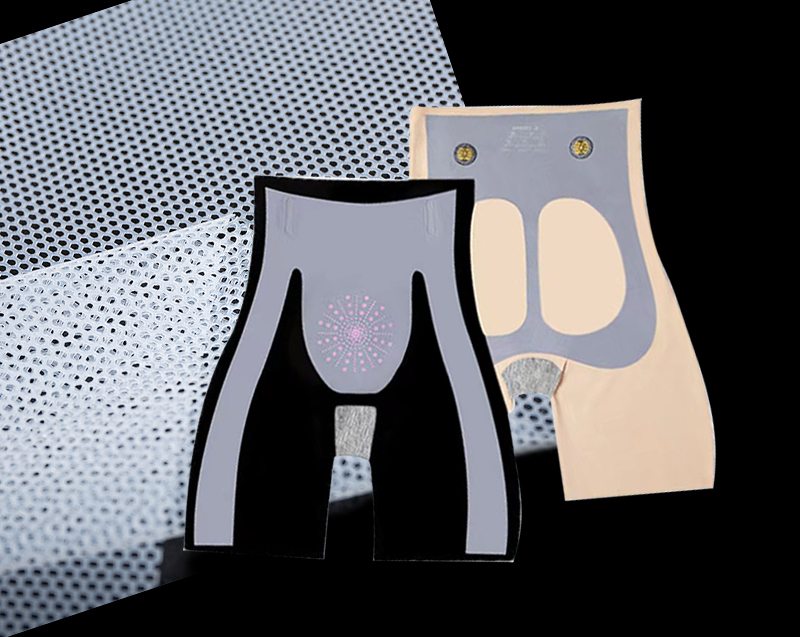
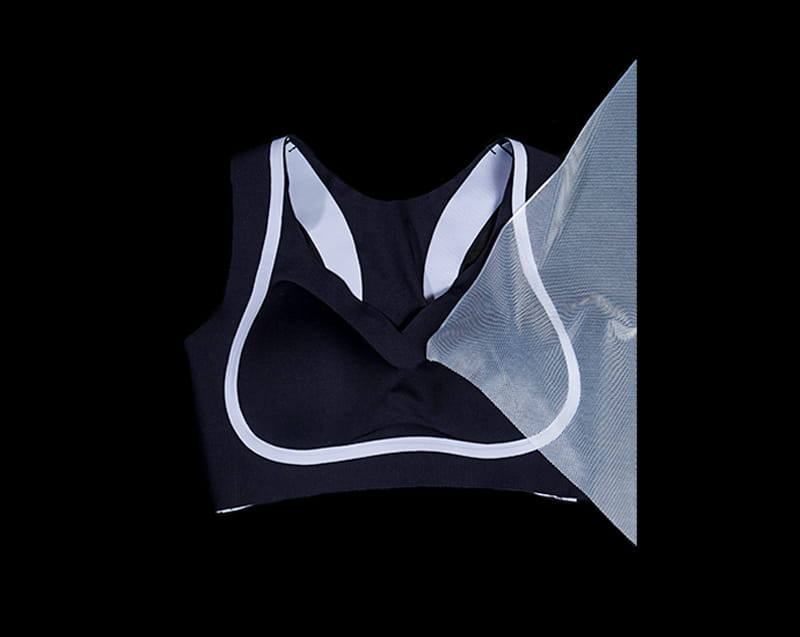
The utility of HDPE perforated film spans across several critical sectors, most notably in the hygiene and medical fields. In these industries, the film is used as a "topsheet" for absorbent products because it feels dry to the touch while quickly directing moisture into the core. Beyond hygiene, it serves as a reliable reinforcement layer in filtration systems and as a protective wrap in industrial packaging where ventilation is necessary to prevent moisture buildup or off-gassing.
Choosing an HDPE-based apertured film over other polymers like LDPE or PP offers several technical advantages. HDPE is naturally more rigid and has a higher melting point, which is beneficial during manufacturing processes that involve heat sealing or ultrasonic welding. Furthermore, its low moisture absorption ensures that the film does not swell or degrade when exposed to fluids, maintaining the precision of the aperture sizes throughout the product's lifecycle.
| Property | Standard Poly Film | HDPE Apertured Film |
| Permeability | None (Solid Barrier) | High (Controlled Air/Liquid) |
| Tensile Strength | Moderate | Superior |
| Chemical Resistance | Varies | Excellent |
| Surface Feel | Smooth / Sticky | Structured / Dry-Touch |
One of the most practical aspects of HDPE Apertured Film is the ability to customize the "open area" percentage. Manufacturers can adjust the hole density and diameter to meet specific flow rates or filtration requirements. For example, a film intended for heavy-duty industrial filtration will have a smaller open area and thicker base material than a film designed for soft, breathable medical tape. Additionally, these films can be treated with surfactants to become hydrophilic (water-attracting) or hydrophobic (water-repelling), allowing for even greater control over fluid dynamics.
In summary, HDPE Apertured Film is much more than just a perforated plastic sheet. Its combination of high-density polyethylene’s physical toughness and the functional benefits of precision apertures makes it an essential material in high-performance product design. Whether it is improving the comfort of personal care items or increasing the efficiency of industrial filters, this material provides a reliable, cost-effective solution for complex permeability challenges. As industries move toward thinner, more efficient materials, the role of apertured films continues to expand into new high-tech applications.






 浙公网安备 33048202000557号