
Welcome to Pinghu Zhanpeng Hot Melt Adhesive Web & Film Co., Ltd. Enterprise Official Website.
Hot melt bonding solution provider
+86-573-85032008


Content
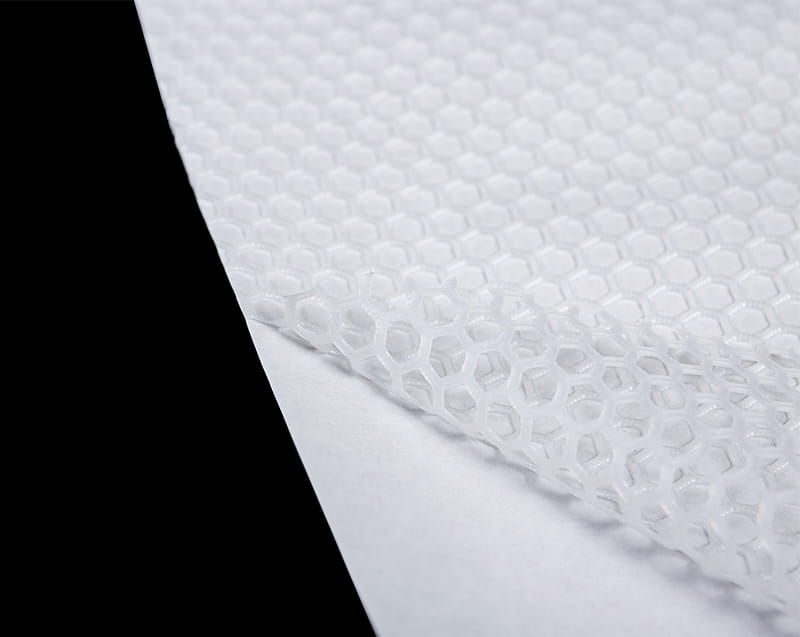
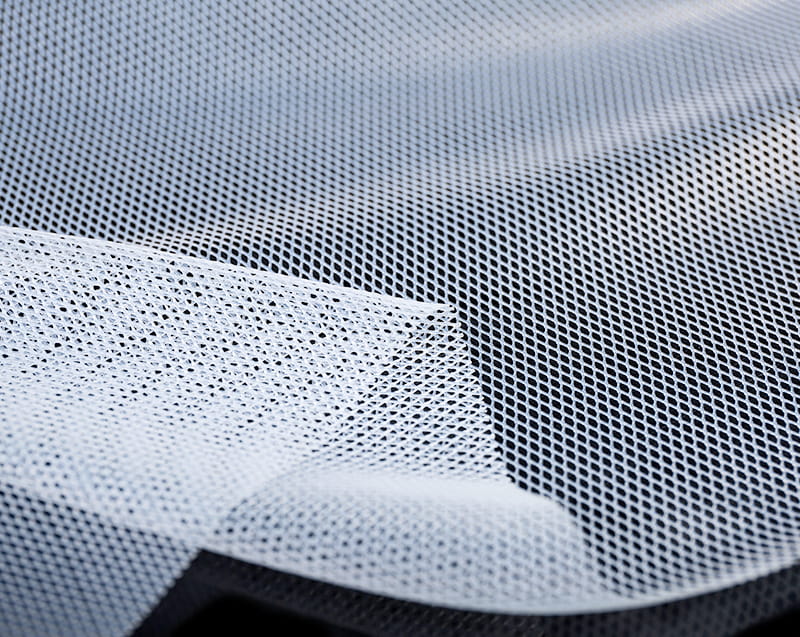
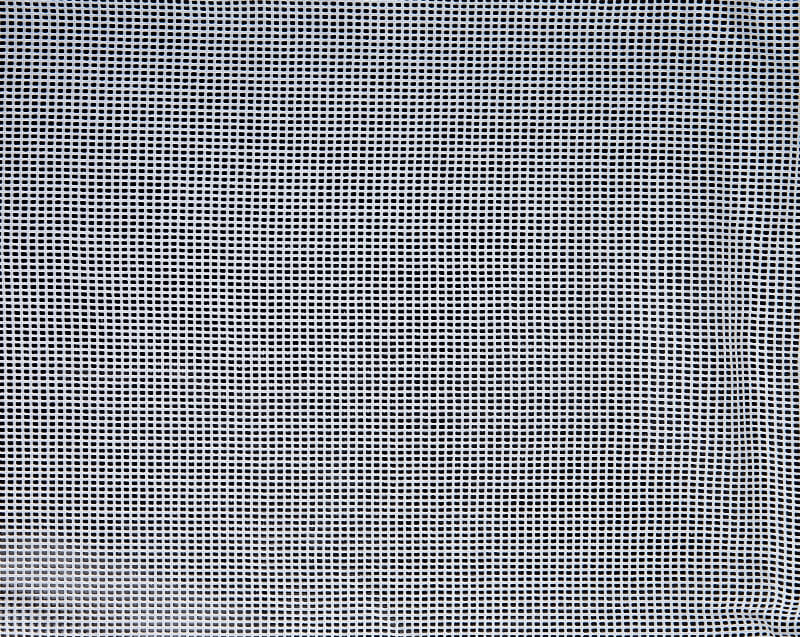
HDPE apertured film, frequently referred to as apertured polyethylene film in technical specifications, is a precision-engineered backing material designed to balance liquid barrier properties with controlled air exchange. Unlike standard solid plastic sheeting that traps heat and moisture against the skin, this material features a uniform matrix of microscopic openings ranging from 0.1 to 0.5 millimeters in diameter. The base resin is high-density polyethylene, chosen for its chemical inertness, high tensile strength, and excellent moisture resistance. During extrusion, the film is run through calibrated hot-pin rollers that puncture the surface while simultaneously fusing the edges of each hole. This creates what the industry calls perforated HDPE sheet, a material that actively wicks moisture downward into absorbent cores while allowing body vapor to escape upward. The precise aperture density and hole geometry directly determine the film’s breathability rate, softness rating, and leak prevention performance.
The perforation stage transforms a flat hydrophobic barrier into a functional fluid-management layer. When the extruded HDPE web passes over patterned rollers heated to optimal melt temperatures, tapered steel pins pierce the material without tearing or cracking the polymer chains. The thermal bonding at each puncture site creates a slightly raised, rolled rim around every aperture, which eliminates sharp plastic edges and drastically improves tactile softness. Because the base HDPE matrix remains intact between holes, the perforated HDPE sheet maintains excellent machine-direction tensile strength and puncture resistance. This allows the material to run smoothly on high-speed converting lines at speeds exceeding 200 meters per minute without web breaks or inconsistent hole formation.
| Method | Aperture Shape | Typical Hole Density | Best Application |
| Hot-Pin Roller | Circular with fused rim | 400–800 holes/in² | Baby diapers, adult incontinence |
| Needle Punch | Irregular slit-like | 100–300 holes/in² | Industrial wipes, filtration layers |
| Laser Perforation | Precision square or star | 50–10,000+ holes/in² | Premium medical underpads, smart liners |
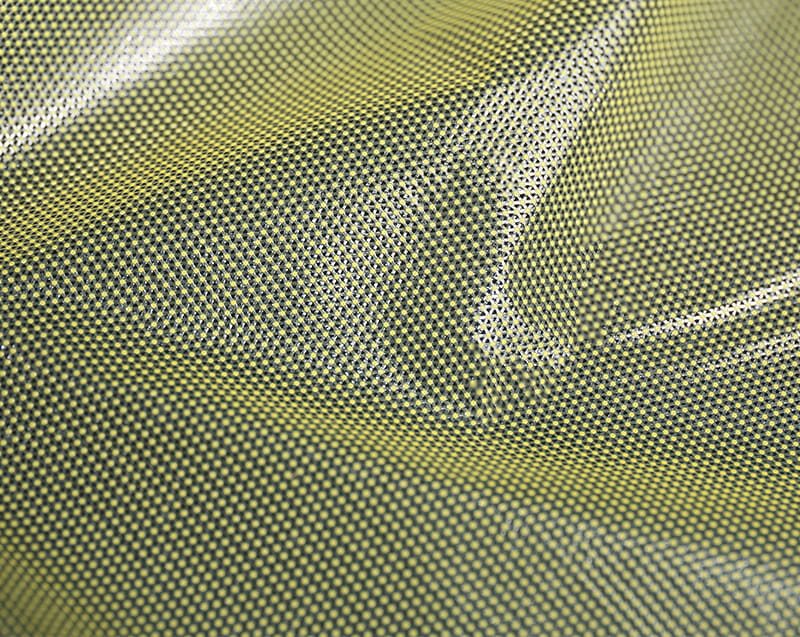
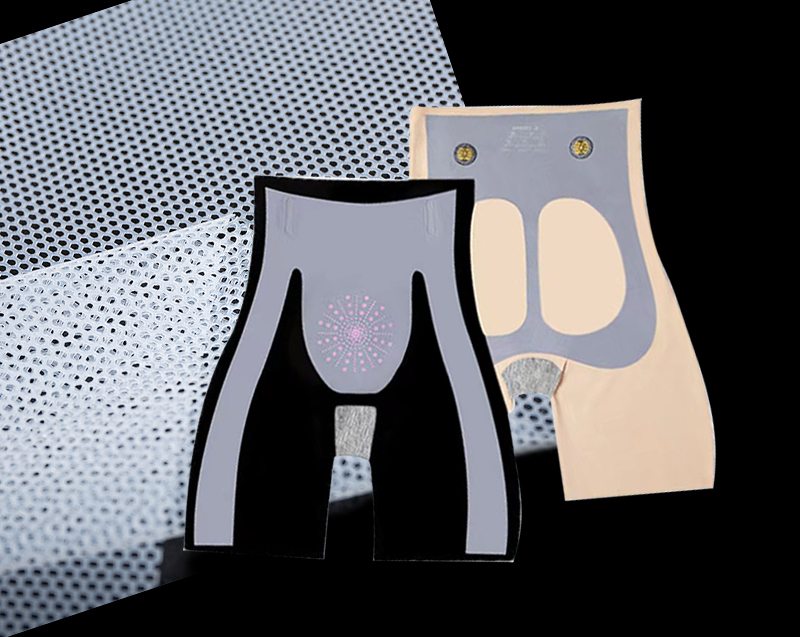
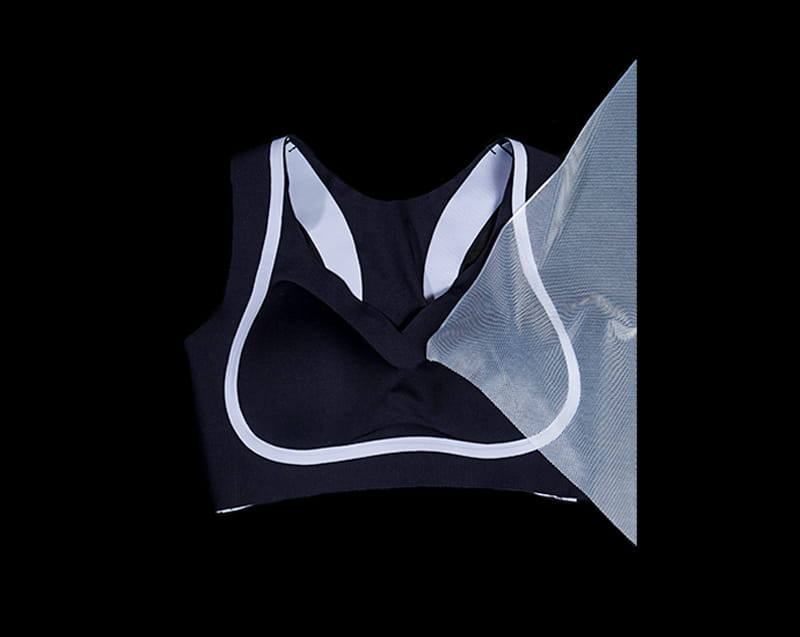
In hygiene and healthcare manufacturing, breathable polyethylene backing has become the standard solution for back sheets and protective covers. Baby diaper producers rely on mid-weight gauges with moderate aperture counts to balance leak protection with all-day comfort. Feminine care products use thinner, highly perforated variants that remain virtually silent and discreet while preventing moisture buildup. Adult incontinence products demand heavier base films with reinforced hole edges to handle higher fluid volumes without the apertures stretching out of shape or losing their barrier function. Medical environments also depend heavily on apertured polyethylene film for examination table covers, surgical underpads, and wound care secondary dressings, where predictable fluid handling, chemical resistance to disinfectants, and skin-safe tactile properties are strictly regulated.
Choosing the right supplier requires more than comparing baseline pricing per metric ton. Buyers must verify that the manufacturer maintains strict control over hole diameter consistency, typically within a ±3 percent tolerance across the full web width. Reputable producers supply third-party certified test data covering water penetration pressure, Gurley air permeability, cross-direction elongation, and coefficient of friction. It is equally important to confirm the corona treatment level matches your hot-melt adhesive system, as improper surface energy leads to delamination during high-speed assembly or consumer use. Always request full-width master rolls and run them through your actual laminating, printing, and rotary cutting equipment to validate tension tolerance and seal compatibility before placing volume orders.
The next generation of HDPE apertured film is shifting toward circular economy targets without sacrificing clinical performance. Compounders are successfully integrating post-consumer recycled HDPE with food-safe colorants to meet tightening environmental regulations while still passing ISO 10993 biocompatibility standards. Laser perforation technology is steadily replacing mechanical roller pins in premium product tiers, offering contactless processing, dynamic aperture resizing on the fly, and zero pin wear or metal contamination risks. As moisture-indicating back sheets and IoT-enabled hygiene tracking gain market traction, manufacturers are embedding thermochromic pigments directly into the aperture rims, creating materials that visually communicate saturation levels while preserving superior breathability, leak protection, and skin-safe comfort.






 浙公网安备 33048202000557号