
Welcome to Pinghu Zhanpeng Hot Melt Adhesive Web & Film Co., Ltd. Enterprise Official Website.
Hot melt bonding solution provider
+86-573-85032008


Content
HDPE film, short for high-density polyethylene film, is a lightweight yet tough plastic sheeting made from petroleum-based resin that's processed into thin, flexible rolls. Unlike flimsy grocery bags or cling wrap, industrial HDPE sheeting is engineered for strength, moisture resistance, and chemical stability, making it a trusted material across packaging, construction, agriculture, and logistics. The "high-density" part refers to how tightly the polymer chains are packed during manufacturing—this creates a film that resists tearing, puncturing, and stretching under load. Whether you're wrapping pallets for shipping, lining a temporary storage area, or protecting crops from frost, a quality packaging film roll made from HDPE delivers reliable performance without breaking the budget.
What sets high-density polyethylene film apart from other plastic films is its balanced combination of physical and chemical properties. It offers excellent tensile strength in both machine and cross directions, meaning it won't easily rip when pulled or stretched during application. The material is naturally hydrophobic, so water beads up and rolls off instead of soaking through—ideal for moisture barrier film applications like vapor barriers in crawl spaces or protective covers for outdoor equipment. HDPE also resists many common chemicals, including acids, bases, and solvents, which makes it suitable for containing or shielding industrial materials. When formulated with UV stabilizers, this construction grade polyethylene can withstand months of direct sunlight without becoming brittle or discolored.
In practical terms, the durability of HDPE film shows up in everyday scenarios. A 6-mil thick agricultural HDPE cover can protect hay bales from rain and wind for an entire season without developing holes or weak spots. Pallet wrap made from high-density polyethylene film holds heavy, irregular loads securely during transit, reducing product damage and insurance claims. Even in cold weather, HDPE maintains flexibility down to approximately -40°F (-40°C), unlike some PVC films that stiffen and crack. For users who need extra puncture resistance, co-extruded blends that combine HDPE with linear low-density polyethylene (LLDPE) offer enhanced toughness while keeping costs manageable.
The molecular structure of HDPE creates a naturally tight barrier against water vapor and liquid moisture. This makes moisture barrier film an excellent choice for applications like concrete curing blankets, where retaining hydration is critical for proper strength development. In chemical storage settings, HDPE sheeting resists degradation from spills of oils, fertilizers, or cleaning agents, protecting underlying surfaces from corrosion or staining. However, it's important to note that HDPE is not universally chemical-proof—strong oxidizing agents or certain hydrocarbons can weaken the film over time. Always consult compatibility charts or request chemical resistance data from your supplier when using HDPE film in demanding environments.
HDPE film's adaptability explains why you'll find it in so many different sectors. In packaging, it's used for shrink wraps, retail bags, and protective overwraps that keep products clean and tamper-evident. Construction crews rely on construction grade polyethylene as vapor barriers under slabs, temporary weather enclosures, and dust containment sheeting during renovations. Farmers use agricultural HDPE cover for silage wrapping, greenhouse liners, and frost protection for sensitive crops. Logistics and warehousing teams choose pallet wrap made from high-density polyethylene film to stabilize loads and reduce shifting during transport. Even event planners use lightweight HDPE sheeting for ground covers, temporary flooring, or backdrop protection.
| Industry | Typical Use Case | Recommended Thickness | Key Feature Needed |
| Packaging | Pallet wrap, retail bags | 0.7–1.5 mil | Clarity, stretch recovery |
| Construction | Vapor barriers, dust sheets | 4–10 mil | Puncture resistance, UV stability |
| Agriculture | Silage wrap, crop covers | 1–6 mil | UV resistance, oxygen barrier |
| Logistics | Load stabilization, weather protection | 1.2–3 mil | Tensile strength, cling properties |
Selecting the best high-density polyethylene film starts with matching material specs to your specific needs. Thickness is the most obvious factor—measured in mils (thousandths of an inch) or microns—and directly impacts strength and durability. For light-duty tasks like covering furniture during painting, 2–3 mil film is usually sufficient. Heavy-duty applications like concrete curing or long-term outdoor storage benefit from 6–10 mil construction grade polyethylene. Width and roll length matter too: wider rolls reduce seams and installation time, while longer rolls minimize changeovers on high-volume jobs. Don't overlook additives: UV inhibitors extend outdoor life, anti-static treatments reduce dust attraction, and colorants (like black or white) can improve heat management or visibility.
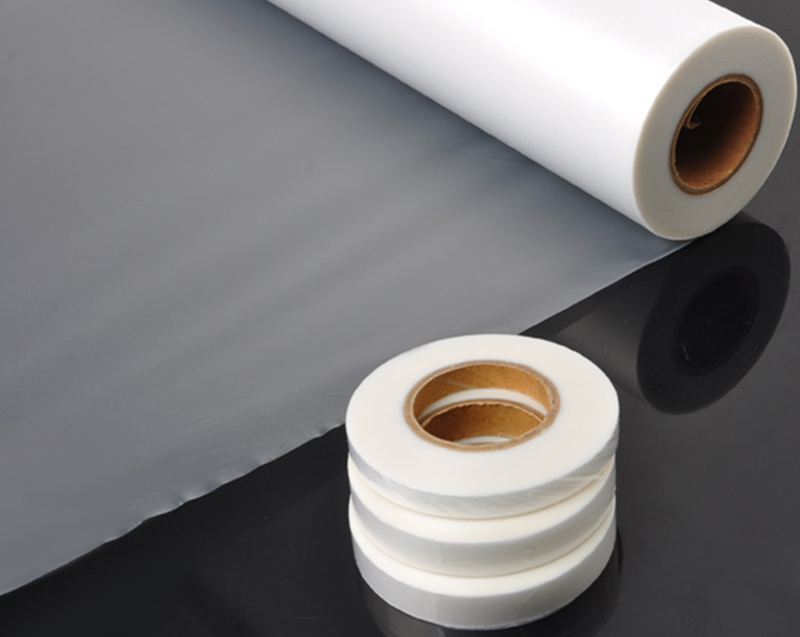
Confusion around thickness units can lead to ordering the wrong packaging film roll. In the US, thickness is often listed in "mils," where 1 mil equals 0.001 inches. Globally, microns (micrometers) are more common, with 1 mil approximately equal to 25.4 microns. A 4-mil HDPE film is about 100 microns thick. When comparing supplier quotes, always confirm which unit they're using to avoid surprises. Also remember that nominal thickness can vary slightly due to manufacturing tolerances—reputable suppliers will specify a tolerance range like ±10%. For critical applications, request certified test reports showing actual measured thickness across the roll width.
Even the toughest HDPE sheeting can underperform if stored or handled improperly. Keep rolls in a cool, dry place away from direct sunlight and heat sources, as prolonged UV exposure or high temperatures can accelerate degradation before the film is even used. Store rolls upright on their ends rather than stacked flat to prevent deformation or "telescoping" of the layers. When unrolling film, avoid dragging it across rough surfaces that could cause micro-tears; use a dispenser stand or have two people handle large rolls. For cut pieces that won't be used immediately, fold edges neatly and secure with tape to prevent fraying. Proper handling not only preserves material integrity but also reduces waste and rework costs on the job site.
As environmental considerations grow in importance, many users ask whether HDPE film is eco-friendly. The good news is that high-density polyethylene is one of the most widely recycled plastics, identified by the #2 resin code. Clean, uncontaminated HDPE film can be processed into new products like plastic lumber, drainage pipes, or even new film. To support recyclability, choose recyclable plastic film without mixed-material laminates or heavy ink coverage that complicates sorting. Some suppliers now offer films made with post-consumer recycled (PCR) content, reducing reliance on virgin resin. For large-scale users, establishing a take-back program or partnering with local recycling facilities can close the loop and demonstrate corporate responsibility. Always check local guidelines, as acceptance of flexible HDPE film varies by municipality.
Even experienced buyers can make missteps when sourcing moisture barrier film or industrial HDPE sheeting. One frequent error is choosing film based solely on price per roll without considering yield—thinner, cheaper film may require more layers or frequent replacement, increasing total cost. Another pitfall is overlooking application-specific needs: using non-UV-stabilized film for long-term outdoor exposure leads to premature failure. Some users also underestimate the importance of core strength; weak cardboard cores can collapse during shipping or dispensing, causing tangles and waste. Finally, always verify that the film width matches your equipment or framing system—ordering a 10-foot-wide roll when your applicator only handles 8 feet creates unnecessary trimming and edge waste.






 浙公网安备 33048202000557号