
Welcome to Pinghu Zhanpeng Hot Melt Adhesive Web & Film Co., Ltd. Enterprise Official Website.
Hot melt bonding solution provider
+86-573-85032008


Content
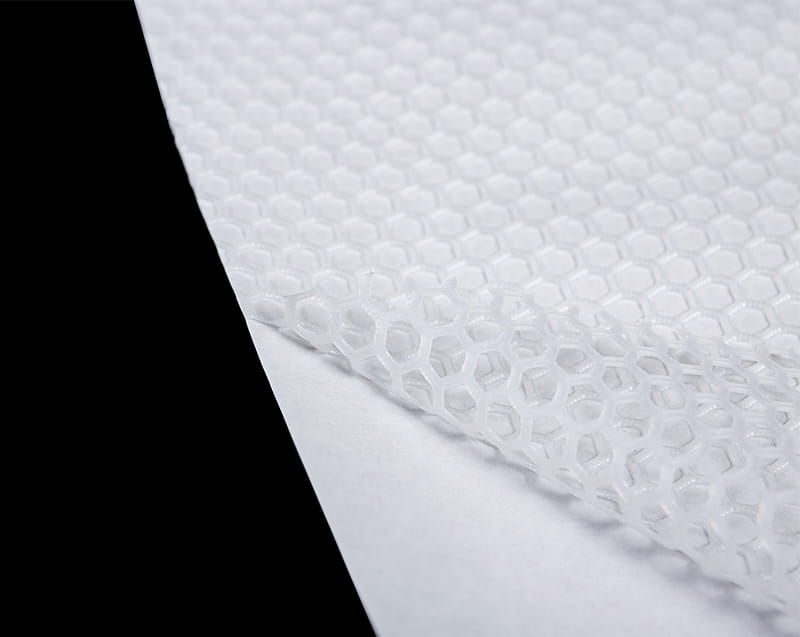
Hot melt adhesive net with paper, often referred to as adhesive web or fusible interlining, is a specialized bonding material designed for precision and ease of use in industrial laminating. Unlike liquid glues or spray adhesives, this product consists of a non-woven, mesh-like structure of thermoplastic resin pre-applied to a silicone-coated release paper. This configuration allows for dry handling and precise placement before the bonding process is activated by heat. The paper carrier acts as a stabilizer, preventing the delicate net from stretching or distorting during the cutting and positioning phases, ensuring a uniform distribution of adhesive across the entire surface area.
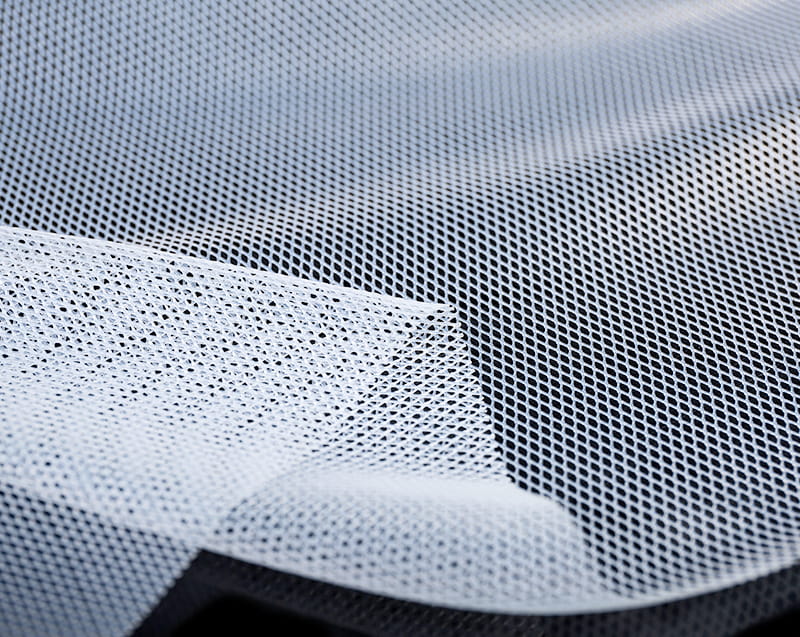
The "net" structure is particularly valuable because it maintains the breathability and flexibility of the bonded substrates. Because the adhesive is not a solid film, it creates a porous bond that allows air and moisture to pass through, which is essential in textile and automotive upholstery applications. When heat is applied via a press or iron, the thermoplastic polymers melt and flow into the fibers of the materials being joined, creating a strong, permanent bond once cooled.
Choosing the right hot melt adhesive net requires an understanding of the polymer base, as different materials offer varying levels of heat resistance, washability, and bond strength. The release paper also plays a critical role, providing the necessary tension for automated machinery and protecting the adhesive from environmental contaminants before use.
| Polymer Base | Melting Range | Best For |
| PA (Polyamide) | 110°C - 130°C | Dry cleaning resistance, textiles, and leather. |
| PES (Polyester) | 120°C - 150°C | Water wash resistance, metal, and PVC bonding. |
| EVA (Ethylene Vinyl Acetate) | 60°C - 90°C | Low-temperature bonding, foam, and paper. |
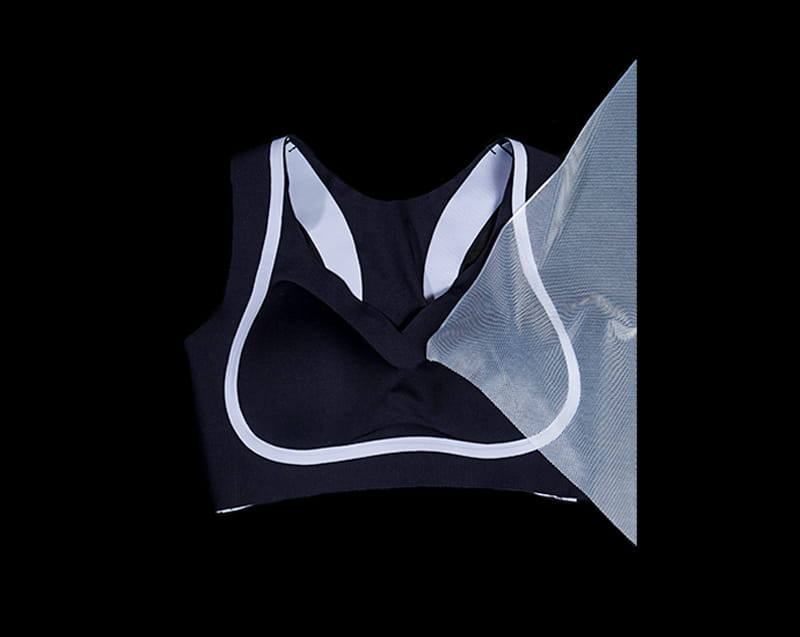
| TPU (Polyurethane) | 80°C - 120°C | High elasticity, sportswear, and medical fabrics. |
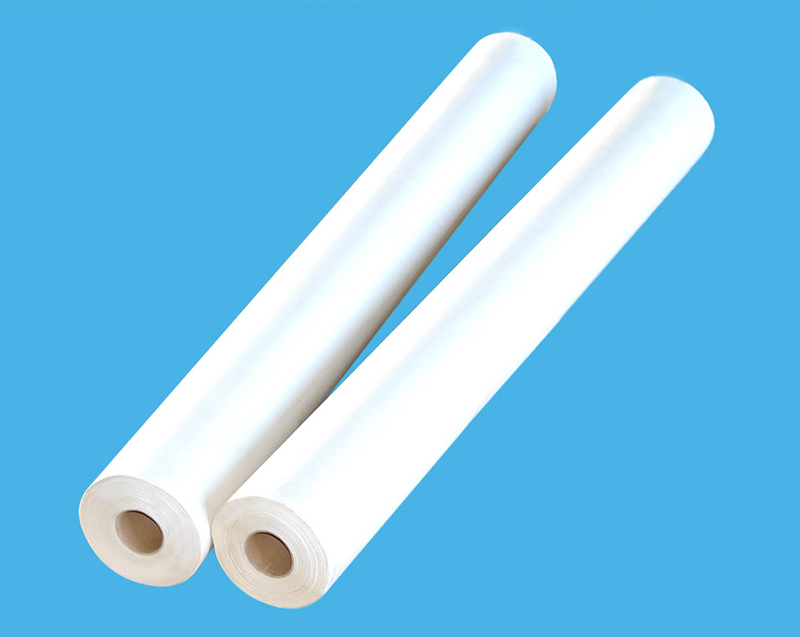
The integration of a paper carrier offers several operational advantages that improve production efficiency and final product quality. By utilizing a "dry" adhesive system, manufacturers can eliminate the mess associated with solvent-based glues and reduce the curing time required for liquid alternatives.
Modern hot melt nets are generally VOC-free (Volatile Organic Compounds), making them a safer choice for workers and more environmentally friendly than traditional chemical adhesives. Since they are 100% solid thermoplastic, there is no evaporation of harmful solvents during the heating process. This makes them ideal for use in sensitive industries like home interiors, apparel, and automotive cabins where air quality is a priority.
To achieve a professional-grade bond using hot melt adhesive net with paper, a two-step activation process is usually followed. This ensures that the adhesive is first transferred to one substrate before the final lamination occurs.
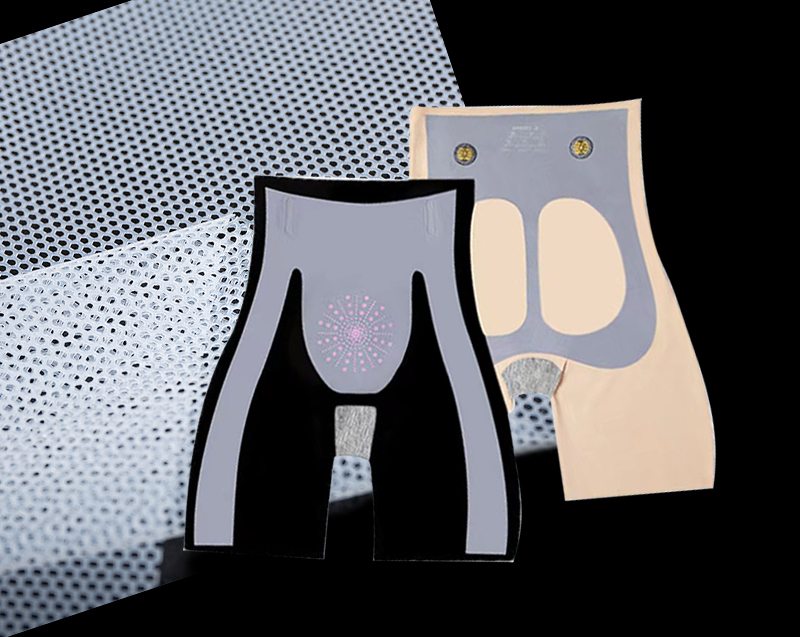
The versatility of hot melt adhesive net with paper makes it a staple in various manufacturing sectors. In the automotive industry, it is used for bonding headliners, seat covers, and door panels where high-temperature stability is required. The garment industry utilizes it for seamless pockets, hems, and embroidery backings, where the softness of the bond is paramount to the wearer's comfort.
Beyond textiles, these nets are increasingly used in the production of lightweight composites, filtration media, and even electronic components. The ability to bond dissimilar materials—such as fabric to plastic or foam to metal—without the weight and stiffness of traditional glue makes it an indispensable tool for modern engineering and design challenges.







 浙公网安备 33048202000557号