
Welcome to Pinghu Zhanpeng Hot Melt Adhesive Web & Film Co., Ltd. Enterprise Official Website.
Hot melt bonding solution provider
+86-573-85032008


Content
Hot melt adhesive net without paper, often referred to as "paperless" web adhesive, is a non-woven bonding material created through a specialized melt-blown process. Unlike traditional adhesive films or tapes that rely on a release paper backing, this product is supplied in a pure, net-like structure. It consists of continuous filaments that form a porous, breathable web. This design allows for high-precision bonding without the waste and logistical overhead associated with removing and disposing of silicone-coated paper liners.
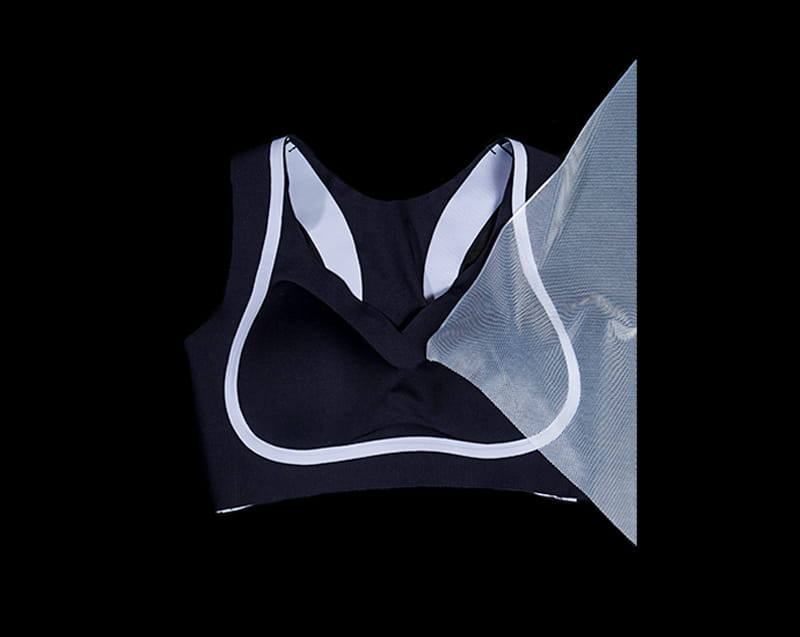
Because it lacks a carrier, this adhesive net is particularly valued in high-speed industrial manufacturing where efficiency and environmental impact are primary concerns. It functions by melting at specific activation temperatures, flowing into the fibers of the substrates, and creating a strong mechanical and chemical bond upon cooling. It is widely utilized in sectors ranging from automotive interiors to high-performance sportswear.
The most significant benefit of using a hot melt adhesive net without paper is the preservation of the substrate's natural characteristics. Traditional films can create a stiff, "plastic" feel, but the web-like structure ensures that the final product remains flexible and soft to the touch. This is critical in the textile industry, where maintaining the "hand feel" of the fabric is essential for consumer comfort.
Additionally, the open-grid nature of the net allows for excellent air and moisture permeability. This breathability makes it the ideal choice for functional garments, filtration media, and medical bandages where airflow is necessary to prevent heat buildup or skin irritation.
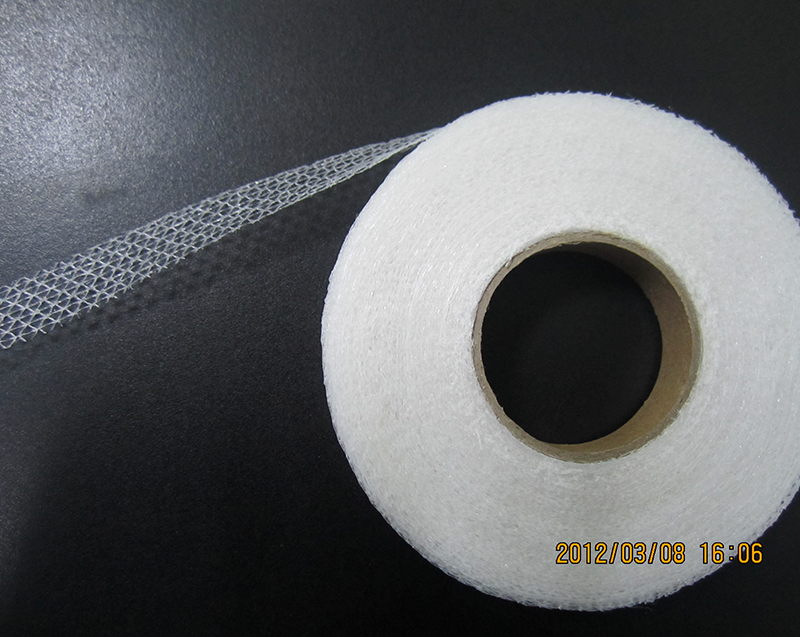
Hot melt adhesive nets are manufactured using various polymers, each catering to specific bonding requirements. Choosing the right material depends on the heat sensitivity of the substrates and the required durability of the bond. The table below summarizes the most common configurations for paperless nets:
| Polymer Type | Melting Point Range | Best For |
| PA (Polyamide) | 115°C - 130°C | Dry cleaning resistance and textile bonding |
| PES (Polyester) | 110°C - 125°C | Wash resistance and synthetic fabrics |
| EVA (Ethylene Vinyl Acetate) | 65°C - 85°C | Low-temperature bonding for foams and wood |
| TPU (Polyurethane) | 80°C - 150°C | High elasticity and soft-touch applications |
In the automotive sector, hot melt adhesive net without paper is used for bonding headliners, seat covers, and door panels. Its ability to withstand high temperatures inside a vehicle while remaining odorless and low-VOC (Volatile Organic Compound) makes it a superior choice for passenger safety and comfort.
The construction industry also utilizes these nets for wall coverings and aluminum foil insulation. Because the net provides uniform distribution of the adhesive, it prevents bubbling and ensures a flat, smooth finish across large surface areas. Furthermore, the electronic industry employs paperless nets for bonding battery components and interior shielding, where thinness and precision are paramount.
To achieve a successful bond, the lamination machine must be calibrated to the specific melting point of the adhesive net. If the temperature is too low, the net will not penetrate the fibers; if it is too high, the polymer may degrade or the substrate may be damaged. Consistent pressure is equally important to ensure the molten net makes contact with all points of the surface.
Since there is no paper backing to protect the adhesive layers from sticking to each other, rolls of hot melt adhesive net without paper should be stored in a cool, dry environment. Most manufacturers recommend keeping the temperature below 30°C to prevent "blocking" or premature fusion of the net within the roll.







 浙公网安备 33048202000557号